
Caring for an aging loved one is one of the most meaningful responsibilities a person can take on—but it can also be one of the most overwhelming. Many families find themselves balancing full-time jobs, school schedules, household duties, and the emotional weight of watching a parent or grandparent change with age. Between doctors’ appointments, medication reminders, meal preparation, and safety concerns, it’s normal for families to feel stretched thin.
That’s where structured support can make an enormous difference. Personal care services exist to make daily life safer, more comfortable, and more dignified for seniors—while also giving families breathing room to simply be family. However, with numerous options, terms, and service structures available, it can be challenging to know where to start.
This guide breaks everything down in a friendly, practical way so you can make confident, well-informed decisions for the people you love most.
Why Personal Care Matters More Than Ever
The world is aging—fast. In many countries, the population aged 65 and over is growing at a record pace. People are living longer, but not always with the mobility, strength, or memory they once had. Conditions like arthritis, mobility limitations, or early-stage dementia can make simple everyday tasks unexpectedly difficult.
Consider a few real-life examples:
- A retired teacher who still enjoys reading and gardening, but the pain in her knees makes showering and standing at the stove unsafe.
- A former truck driver who needs help organizing medications after a stroke affected his short-term memory.
- A widowed grandmother who loves her independence but struggles with housekeeping because lifting, bending, and vacuuming have become physically taxing.
In each of these cases, the senior is still capable of living a meaningful, engaged life—they just need a bit of structured support.
Personal care services step in to fill those exact gaps. Think of them as a safety net that preserves independence rather than replacing it.
The rise in aging-in-place preferences is also a big driver. Many older adults want to remain in their own homes as long as possible. Homes carry memories, comfort, and a sense of familiarity. And with the right support, staying at home can be both safe and deeply rewarding.
This shift mirrors broader changes happening in other industries. For example, remote work tools now help employees stay productive from home, while telehealth enables patients to receive medical guidance without visiting a clinic. Just as technology supports independence, personal care supports aging adults in the environments they love most.
What Personal Care Usually Includes
Personal care services might sound clinical, but at their heart, they’re simply about helping seniors with everyday tasks. These services do not replace medical care; instead, they focus on practical, hands-on assistance to make daily living easier.
Here are some of the most common forms of support:
1. Personal Hygiene and Grooming
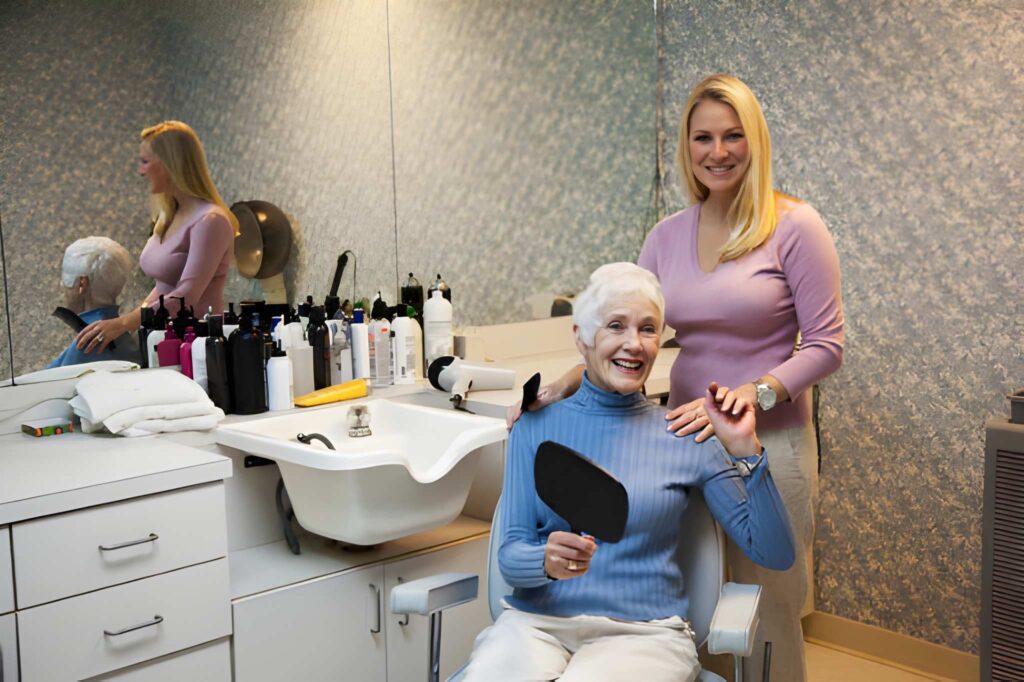
This includes bathing, dressing, hair care, dental hygiene, shaving, skincare, and toileting. For many seniors, these tasks are physically difficult or unsafe to perform alone.
2. Mobility Support
Seniors may need help with tasks such as moving from a bed to a chair, navigating stairs, using a walker correctly, or simply walking safely around their home. Preventing falls is one of the top priorities, as falls are a significant contributor to injuries among older adults.
3. Meal Preparation
Cooking can become challenging for many reasons, including arthritis, fatigue, confusion, or a lack of appetite. Personal care workers can prepare nutritious meals, assist with feeding if needed, and ensure dietary restrictions are followed.
4. Medication Reminders
While they cannot administer medical treatments (unless specially certified), personal care professionals can remind seniors to take their medications on time, which is essential for managing chronic conditions.
5. Light Housekeeping
Tasks such as laundry, dishwashing, dusting, and sweeping can become overwhelming for aging adults. A tidy home environment also reduces the risk of falls and helps prevent anxiety and depression.
6. Companionship and Emotional Support
Sometimes, the most powerful impact is simply having someone to talk to. Loneliness among seniors can have a profound impact on both mental and physical health. Regular visits create social connection, structure, and emotional stability.
7. Transportation and Errands
Whether it’s a trip to the supermarket, a doctor’s appointment, or a visit to the community center, mobility outside the home helps seniors stay active and socially engaged.
These services vary widely depending on the senior’s needs. Some families require daily support, while others only need weekly check-ins or occasional help. The beauty of personal care is its flexibility—it adapts to the unique rhythm of each household.
How Families Can Choose the Right Care
Choosing the right kind of support is a big decision. Every family’s situation is unique, and what works for one senior may not be ideal for another. Here’s a simple, step-by-step approach to help you feel more confident:
1. Start with an Honest Assessment
Ask yourself (and the senior, if appropriate):
- What tasks are becoming difficult or unsafe?
- Are there specific times of day when help is needed most?
- Has the senior experienced any recent falls, memory issues, or changes in mobility?
- What are their emotional needs—companionship, routine, encouragement?
Many agencies offer free assessments, but an informal family conversation is often the most effective first step.
2. Involve the Senior in Every Decision
Aging adults often fear losing independence. The more included they feel in the process, the more comfortable they’ll be with receiving help.
3. Look for a Good Personality Match
Skills matter, but personality compatibility is equally important. Seniors need to feel respected, safe, and understood. A calm, patient, and friendly caregiver can make all the difference.
4. Ask About Training and Safety Protocols
This ensures that caregivers are prepared for situations ranging from mobility challenges to emotional support. You may also want to inquire about background checks, first aid training, and communication systems.
5. Review Flexibility and Scheduling Options
Life changes quickly, especially with aging loved ones. Choose providers that allow adjustments without excessive fees or contracts.
6. Consider the Senior’s Lifestyle
Some seniors prefer chatting over tea every morning. Others value privacy and minimal conversation. Some love going for short walks. Others enjoy puzzles, music, or learning new things. Personal care should enhance—not disrupt—their lifestyle.
Where This Fits in the Bigger Picture
Personal care is only one piece of the aging support ecosystem. It works in conjunction with other pillars, including community involvement, physical activity, nutrition, routine medical care, and emotional well-being. Just as society invests in healthy ageing initiatives to help older adults stay active and connected, personal care services provide the hands-on support that makes this possible at home.
For many families, this support becomes a bridge. It allows seniors to remain independent while keeping relatives involved in meaningful ways—without feeling overwhelmed or burnt out.
As families explore their options, many eventually consider personal care services for seniors as a dependable and flexible way to provide day-to-day assistance for their loved ones. These services offer structure, safety, and companionship at a time when seniors need it most.
When chosen thoughtfully, the right personal care support can transform daily life—not only for the senior but for the entire family.
Also Read-Unlocking Business Growth Through Asset Access Solutions