
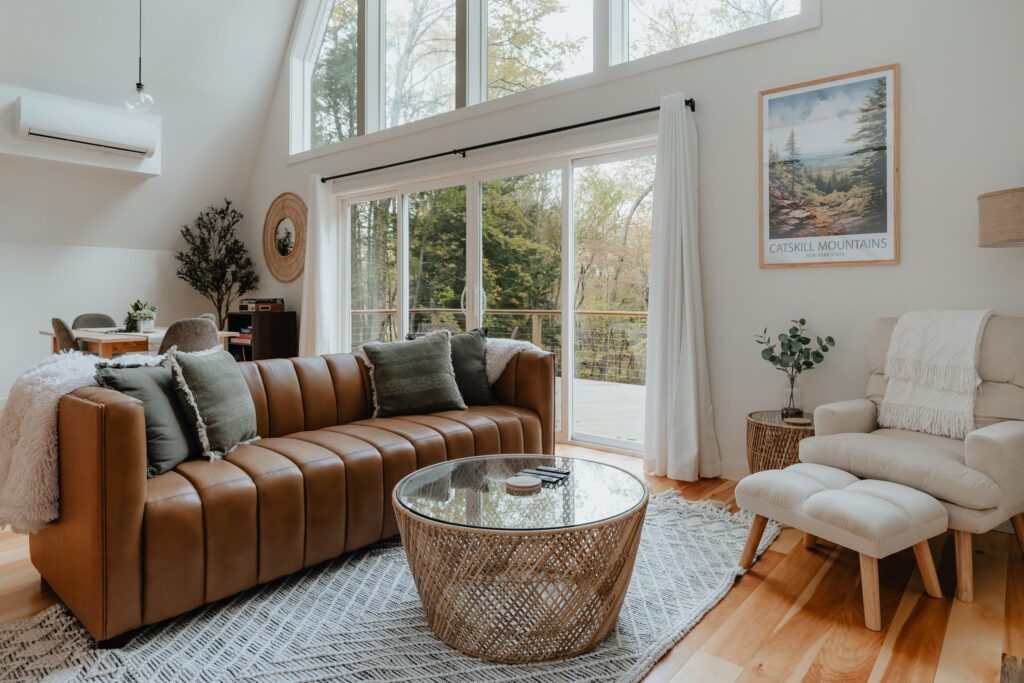
Home is where we relax, spend time with loved ones, and recharge after a busy day. However, keeping a home truly safe and healthy requires more than just regular cleaning—it’s about establishing habits and systems that protect both your space and your well-being. From the way we store food to how we manage indoor air, small steps can make a big difference in creating an environment that feels safe, fresh, and welcoming.
In this article, we’ll explore practical and effective ways to protect your living space while also promoting a healthier lifestyle.
The Importance of a Healthy Home
A healthy home doesn’t just look good—it also helps prevent illness, reduces stress, and promotes a sense of calm. Consider this: when your space is organized, clean, and well-maintained, it’s easier to focus, relax, and enjoy your daily life.
For example, dust buildup can trigger allergies, mold can cause respiratory problems, and poor lighting can affect mood and productivity. Taking preventive measures is not only about comfort—it’s about protecting your health and long-term quality of life.
Everyday Habits That Make a Difference
Small daily routines go a long way in keeping your home environment healthy:
- Declutter regularly: Excess items trap dust and make cleaning harder. Setting aside 10 minutes a day to put things in order can reduce allergens and create a more open, breathable space.
- Proper ventilation: Fresh air is essential. Opening windows for just a few minutes a day can reduce pollutants, improve air circulation, and help balance humidity levels.
- Mindful food storage: Keep dry goods in airtight containers and refrigerate leftovers promptly. This simple habit not only prevents food waste but also deters pests.
- Smart cleaning choices: Using gentle, eco-friendly products can reduce the use of harsh chemicals that linger in the air and on surfaces. Vinegar, baking soda, and lemon are time-tested natural cleaners.
Just like consistent handwashing protects us from germs outside the home, consistent habits protect us inside.
The Role of Clean Air and Safe Water
Two essentials often taken for granted—air and water—play a massive role in a healthy home.
- Air quality: Indoor air can sometimes be more polluted than outdoor air due to dust, smoke from cooking, or off-gassing from furniture. Consider adding indoor plants, using an air purifier, or choosing natural fabrics that don’t trap as many toxins.
- Water quality: Installing filters can help remove impurities and improve taste. Even something as simple as cleaning water containers regularly helps maintain safety.
In workplaces such as hospitals and schools, managing air and water quality is crucial for protecting large groups of people. At home, it’s just as important, though easier to overlook in our daily routines.
Preventing Hidden Health Risks
Not all threats are visible. Mold growth in damp corners, dust mites in bedding, or pests finding their way inside can quietly compromise the safety of your space. For instance, a leaky pipe under the sink may seem minor, but it can encourage mold growth. Similarly, crumbs left in the kitchen can attract ants or rodents, which may carry diseases.
Taking a preventive approach means addressing small issues before they escalate into bigger, more costly problems. Scheduling seasonal deep cleans, inspecting for leaks, and monitoring cracks or entry points in walls are simple yet powerful steps.
When these risks do arise, homeowners often turn to Pest Control Solutions for Homes. Professional services can help identify the root causes of infestations and provide safe, targeted treatments that protect both your family and your property.
Creating a Safer, More Comfortable Living Space
Beyond cleaning and maintenance, think about how your home makes you feel. Bright, natural light can boost mood, while quiet, uncluttered areas encourage relaxation. Even simple touches, such as adding soft textiles, using calming colors, or creating a dedicated space for hobbies, can have a profoundly positive impact on mental well-being.
Safety also means being prepared. Install smoke detectors, check electrical outlets for overload, and store cleaning products out of children’s reach. These may seem obvious, but they are often the very steps that prevent accidents.
Interestingly, the concept of a “healthy home” isn’t new—it’s rooted in public health principles that emphasize the importance of clean environments in maintaining human health. As early as the industrial era, communities recognized that access to clean water and safe housing reduced disease and improved the quality of life. This connection between environment and health is well-documented in the study of public health.
Final Thoughts
Keeping your home safe and healthy doesn’t require huge investments or complicated systems. It’s about consistency, awareness, and prevention. By maintaining clean air, safe water, organized spaces, and pest-free surroundings, you lay a foundation for a better life.
Your home should be your sanctuary—a place where comfort, safety, and wellness go hand in hand. With a few smart strategies and regular care, you can ensure your living space supports not just your lifestyle, but your health and happiness for years to come.
Also Read
- Staying Ahead in Dental Practice: Continuous Education, Tech Trends, and Patient Care
- Happily Ever After: Navigating Life as Newlyweds
- Why Local Home Buying Companies Are the Best Option for Selling Your Home Quickly and Easily