
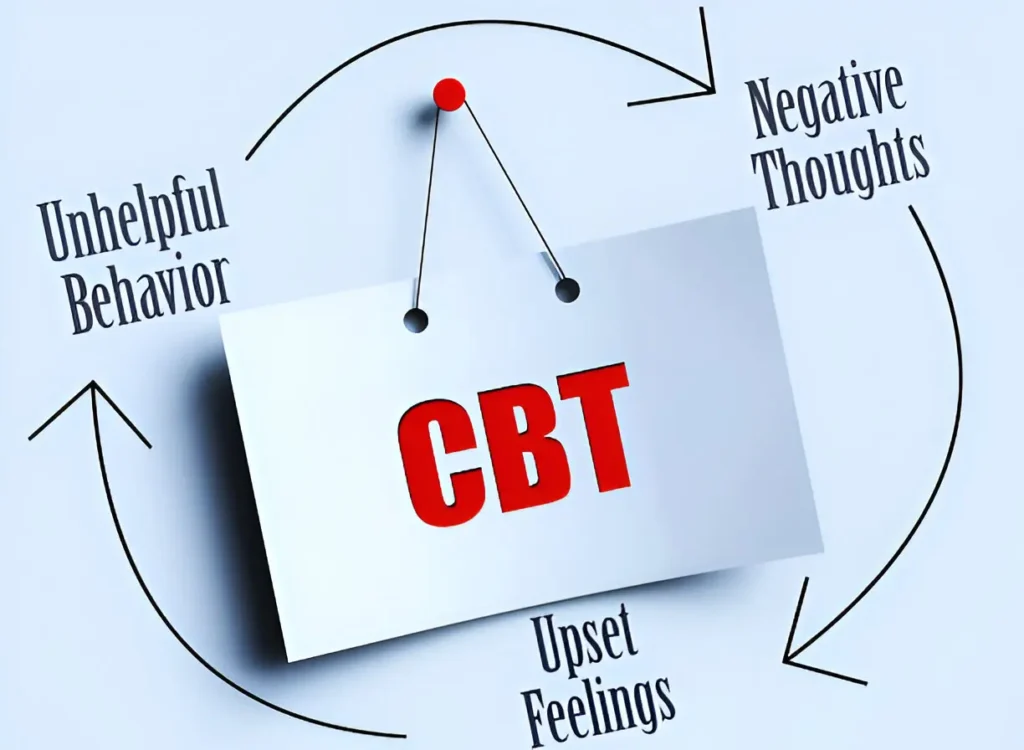
When starting therapy, one of the most common questions people ask is how long it will take before they start feeling better. With cognitive behavioral therapy (CBT) being one of the most widely used and effective treatment methods, understanding the typical timeline can help set realistic expectations and keep you motivated during the process.
CBT is designed to be structured, goal-oriented, and focused on developing practical skills for managing thoughts, emotions, and behaviors. While the exact timeframe can vary, there are general patterns that can help you understand how long it usually takes before people begin seeing results.
What Is Cognitive Behavioral Therapy?
CBT is a type of talk therapy that focuses on identifying unhelpful thought patterns and replacing them with healthier, more productive ones. Unlike some therapeutic approaches that explore the past in depth, CBT is often more focused on the present and finding solutions that work right now.
This form of therapy is commonly used to address:
- Anxiety disorders
- Depression
- Phobias
- PTSD and trauma-related concerns
- OCD
- Stress management
- Relationship challenges
By teaching practical strategies, CBT empowers individuals to recognize negative thought patterns, reframe them, and take more constructive actions.
Typical CBT Timeline: What to Expect
Because CBT is structured and goal-driven, it usually takes fewer sessions than some other forms of therapy. However, the length of treatment depends on factors like the nature of your concerns, your goals, and how consistently you practice techniques outside of sessions.
Short-Term CBT
For many individuals, CBT is considered a short-term approach. A typical treatment plan may include 8 to 12 weekly sessions, each lasting about 45 to 60 minutes. People often start noticing small improvements within the first few weeks.
Medium-Term CBT
In some cases, especially when symptoms are more severe or multiple concerns are addressed, CBT may extend to 12 to 20 sessions. This allows more time to work on complex issues and develop lasting coping strategies.
Long-Term CBT
For individuals dealing with chronic conditions or recurring challenges, CBT may continue for six months or longer. Even in extended therapy, sessions are usually structured around specific goals rather than open-ended discussions.
Factors That Influence How Long CBT Takes
There isn’t a one-size-fits-all answer for how quickly CBT “works” because several factors affect progress:
1. Nature and Severity of the Issue
Milder symptoms like situational anxiety or stress can often improve within a few sessions, while complex conditions such as PTSD or OCD may require more time and repetition to see results.
2. Frequency of Sessions
Consistent weekly sessions generally lead to faster progress. Skipping sessions or spreading them too far apart may slow results.
3. Commitment to Practice
CBT involves “homework” between sessions, such as journaling, thought tracking, or practicing relaxation techniques. Clients who actively practice these skills outside of therapy often notice improvement more quickly.
4. Therapist Experience
An experienced CBT therapist can tailor strategies to fit your unique situation, which can help speed up progress compared to a generalized, less personalized approach.
5. Client Readiness and Motivation
Being open to trying new techniques and challenging long-standing thought patterns plays a major role in how quickly CBT becomes effective.
Signs That CBT Is Working
People often wonder what progress looks like during therapy. Some early indicators that CBT is helping include:
- Feeling more in control of your thoughts and emotions
- Becoming aware of negative thinking patterns as they arise
- Reacting more calmly to stressful situations
- Using practical strategies to manage anxiety, depression, or stress
- Noticing small improvements in daily functioning and relationships
Progress doesn’t always happen in a straight line — it’s common to have ups and downs along the way. However, seeing these signs within the first few weeks often suggests you’re moving in the right direction.
Comparing CBT to Other Therapy Approaches
One reason cognitive behavioral therapy is so popular is that it typically produces results faster than many other forms of talk therapy. For example:
- Psychodynamic therapy may last years because it focuses on exploring childhood experiences and unconscious processes.
- Humanistic therapy emphasizes personal growth and can be open-ended, with no specific timeline.
- CBT, by contrast, is structured, goal-oriented, and designed to deliver measurable outcomes in a shorter period.
This makes CBT especially appealing for individuals who want practical tools they can start using quickly.
How to Get the Most Out of CBT
Maximizing the benefits of CBT depends on your level of engagement and commitment. Here are a few tips to make therapy more effective:
1. Be Open and Honest
Sharing your thoughts and feelings openly with your therapist helps them provide tailored strategies that work for you.
2. Practice Between Sessions
CBT often involves exercises like journaling, role-playing, or thought tracking. Regularly completing these tasks can speed up progress.
3. Set Clear Goals
Work with your therapist to identify what you want to achieve. Having clear, measurable goals gives each session purpose and direction.
4. Stay Patient
Even though CBT can work relatively quickly, meaningful change takes time. Be patient with yourself as you practice new ways of thinking and responding.
When to Consider Extending CBT
Sometimes, people start CBT expecting it to last only a few months but find that extending sessions provides additional benefits. This can happen when:
- You have multiple overlapping concerns to address
- New challenges arise during treatment
- You want ongoing support while applying CBT strategies in real life
- Progress is slower due to deeply ingrained thought patterns
Your therapist can help reassess goals and adjust the treatment plan if you feel more time would be helpful.
Success Stories: How Fast CBT Can Work
While timelines vary, research shows that many people experience noticeable improvements after just six to eight sessions. For example:
- Someone with social anxiety might feel more comfortable attending gatherings within a few weeks of practicing exposure techniques.
- A person struggling with panic attacks could learn grounding strategies that reduce episodes within the first couple of months.
- Clients dealing with work-related stress often report better emotional regulation after the initial few sessions.
These examples highlight CBT’s potential to create meaningful change in a relatively short time.
Final Thoughts
Cognitive behavioral therapy is one of the most effective and structured approaches for managing a wide range of mental health concerns. While the exact timeline depends on your goals, symptoms, and level of engagement, many people start seeing improvements within the first few weeks of treatment.
The key is consistency — attending sessions regularly, practicing skills outside of therapy, and staying committed to the process. With the right approach and mindset, CBT can help you develop lasting tools for managing thoughts, emotions, and behaviors, leading to better mental and emotional well-being.
Also Read
- Navigating the Future of Healthcare: The Role of a Medical Recruitment Agency
- Is Your Hard Wax Working Well Enough? How to Choose the Best Formula
- Elevating Your Business in Sydney with Comprehensive Market Research