
Choosing a coffee machine for your home can feel surprisingly overwhelming. Walk into any appliance store or browse online, and you’ll see rows of sleek machines promising café-quality results, barista-level flavor, and effortless mornings. The truth is, the “right” machine isn’t about chasing the most advanced option—it’s about finding what fits your daily habits, taste preferences, and lifestyle.
Just like choosing a car or a kitchen appliance, the best coffee machine is the one that works reliably for how you actually live. Understanding the main types and what they offer can make the decision far simpler.
Start with How You Drink Your Coffee
The first question isn’t about features—it’s about you. Do you enjoy slow mornings with hands-on preparation, or do you want coffee ready at the push of a button? Your routine matters more than technical specs.
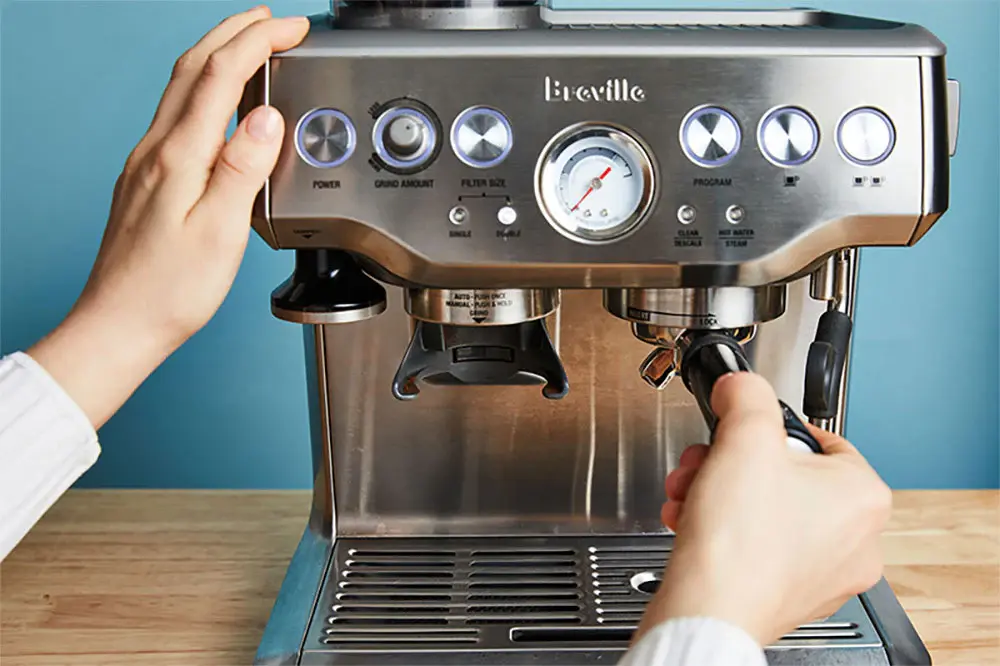
If you love rich, intense coffee and enjoy the process, a traditional espresso machine might be appealing. These machines give you control over grind size, extraction time, and milk texture. They’re a bit like manual transmission cars—rewarding, but they require practice.
On the other hand, if coffee is fuel for a busy day, automatic machines make more sense. They handle grinding, brewing, and dosing for you. This approach mirrors trends in other industries. Smart washing machines, robotic vacuums, and automatic climate systems all exist for the same reason: consistent results with minimal effort.
Think honestly about your mornings. A machine that fits your routine is one you’ll actually use and enjoy.
Understanding the Main Coffee Machine Types
Most home coffee machines fall into a few broad categories, each with its own strengths.
Manual espresso machines offer the most control and the steepest learning curve. They’re ideal for enthusiasts who enjoy experimenting and don’t mind spending time dialing in each shot.
Semi-automatic machines strike a balance. They automate some steps while still allowing hands-on involvement. These are popular with people who want better coffee without full complexity.
Bean-to-cup machines focus on convenience and consistency. Whole beans go in, finished coffee comes out. They’re designed for households that want fresh coffee without the daily fuss.
Pod machines are simple and fast, but they limit flexibility and flavor compared to freshly ground beans. They’re often chosen for speed rather than experience.
Choosing between these is similar to selecting kitchen tools. Some people enjoy cooking from scratch, while others prefer appliances that simplify the process. Neither is wrong—it’s about preference.
Flavor, Consistency, and Why Freshness Matters
One of the biggest differences between machines comes down to flavor. Coffee starts losing aroma and taste shortly after grinding. That’s why freshly ground beans make such a noticeable difference.
Machines that grind beans just before brewing preserve oils and flavors that pre-ground coffee can’t. This is why many people upgrade once they experience the difference. It’s the same logic behind freshly baked bread or grinding spices just before cooking.
Consistency also matters. Manual brewing methods rely on technique, which can vary from cup to cup. Automatic machines are designed to repeat the same process each time, providing predictable results.
Understanding the basics of espresso helps explain why machine design matters. Pressure, temperature, and timing all play a role in extraction, and good machines manage these elements carefully to produce balanced flavor.
Matching the Machine to Your Household
A coffee machine should suit everyone who uses it, not just the primary buyer. In a household with multiple coffee drinkers, ease of use becomes important. A machine that’s too complex may be used by only one person.
In shared homes or families, automatic options often work best. They reduce learning curves and avoid inconsistent results. This mirrors workplace equipment design, where tools are chosen for reliability and ease rather than complexity.
Midway through comparing features and styles, many buyers explore curated collections like BrewMaster’s Elite to see a range of machines side by side and understand which options align with their needs. Seeing choices together helps clarify what truly matters versus what just looks impressive.
Maintenance Is Part of the Decision.
No coffee machine is maintenance-free, but some are easier to maintain than others. Regular cleaning affects both flavor and longevity. Machines with built-in cleaning cycles, removable brew units, and clear prompts tend to stay in better condition over time.
This is similar to owning any household appliance. Cars need servicing, air conditioners need filters, and coffee machines need cleaning. The easier the maintenance, the more likely it is to get done.
Before choosing, consider how much effort you’re willing to put into upkeep. A machine that’s simple to clean is more likely to deliver consistent performance year after year.
Budget vs Long-Term Value
Price matters, but it shouldn’t be the only factor. A cheaper machine that produces inconsistent results may lead to frustration—or costly café visits to compensate. A higher-quality machine can save money over time by reducing takeout coffee and wasted beans.
This is the same logic people use when buying mattresses, laptops, or kitchen appliances. Paying for reliability often delivers better value than repeatedly replacing low-cost options.
Think in terms of daily use. If you drink coffee every day, even small improvements add up quickly in both enjoyment and savings.
Making the Choice with Confidence
Choosing a coffee machine doesn’t have to be complicated. Start with your routine, consider who will use it, and focus on consistency and ease of maintenance. Features are only valuable if they support how you actually drink coffee.
The best machine is the one that fits seamlessly into your life—making mornings smoother, breaks more enjoyable, and home feel just a little more comfortable.
Final Thoughts
From hands-on espresso machines to fully automatic brewers, today’s coffee options are designed to suit a wide range of lifestyles. Understanding the differences helps you choose with confidence rather than guesswork.
When the machine matches your habits, coffee stops being a decision and becomes a pleasure. And that’s ultimately what a good home coffee setup should deliver—reliable, enjoyable moments, one cup at a time.
Also Read
- Turn A Water Disaster Into A Home Upgrade
- Happily Ever After: Navigating Life as Newlyweds
- Why Hair Masks for Dry Hair Should Be Part of Your Mindful Beauty Practice