
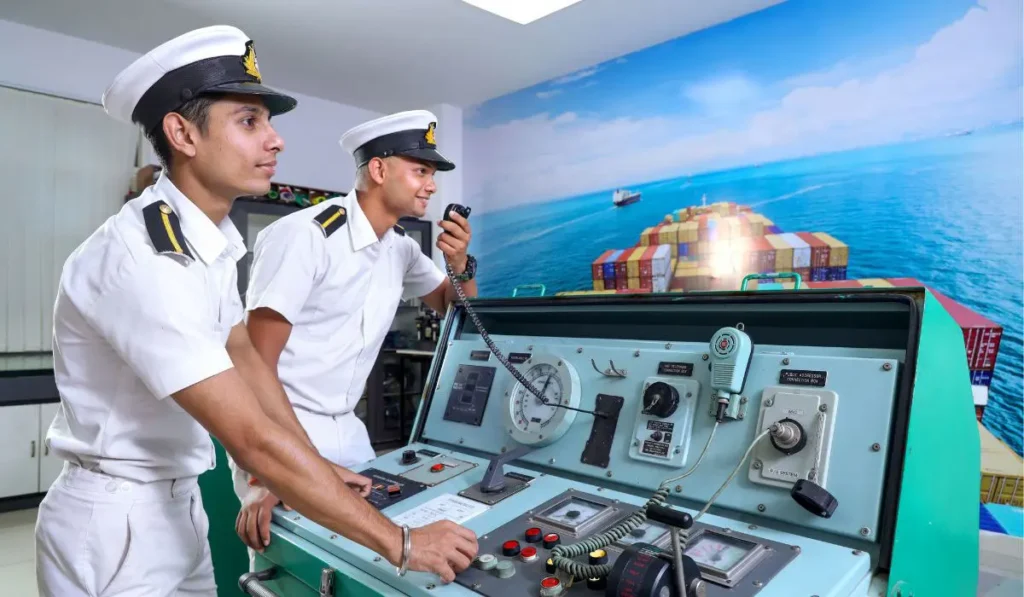
Life in the Marines and civil maritime careers both revolve around discipline, teamwork, and operating in challenging marine environments. However, they differ significantly in structure, lifestyle, pay models, and long-term flexibility. The Marines offer a highly regimented, service-driven career with strong benefits and a clear hierarchy, while civil maritime careers provide broader role variety, commercial earning potential, and greater personal autonomy. Choosing between them depends on whether you value military service and structure or civilian flexibility and commercial opportunity.
Introduction
Choosing a career connected to the sea can lead down two very different paths. One is life in the Marines, rooted in military service, national defence, and structured discipline. The other is a civil maritime career, spanning commercial shipping, offshore operations, ports, shipbuilding, and marine engineering. While both involve working in demanding environments and developing specialist skills, the day-to-day realities and long-term outcomes can be quite different.
This article explores what life looks like in the Marines compared with civil maritime careers, examining responsibilities, lifestyle, pay, and progression to help readers understand which path may align best with their goals.
Overview of Life in the Marines
Life in the Marines is defined by service, discipline, and readiness. Marines are part of an elite military force trained to operate in land, sea, and air environments, often under high-pressure conditions. Training is physically and mentally demanding, designed to build resilience, teamwork, and leadership from the outset.
Daily life in the Marines follows a structured routine. Schedules are strict, appearance standards are enforced, and orders flow through a clear chain of command. Deployments are a core part of the role and can involve humanitarian missions, peacekeeping operations, or active combat, depending on global conditions.
Marines often live on base or in designated accommodation, particularly during training or deployments. Time away from family can be significant, and relocations are common. However, this lifestyle also comes with strong camaraderie, a shared sense of purpose, and pride in serving a larger mission.
From a skills perspective, Marines receive extensive training in leadership, logistics, navigation, engineering, and operational planning. These skills can later transfer into civilian roles, particularly within the wider maritime and logistics sectors.
Overview of Civil Maritime Careers
Civil maritime careers encompass a broad range of professions linked to commercial and industrial marine activity. These include roles such as deck officers, marine engineers, port managers, naval architects, shipbuilders, offshore technicians, and maritime logistics specialists.
Unlike the military, civil maritime roles operate in a commercial environment. Employees may work for shipping companies, offshore energy firms, port authorities, or manufacturing and engineering businesses. The scale of modern commercial shipping continues to grow, with some of the world’s largest vessels playing a key role in global trade, as highlighted in this overview of the biggest cargo ships in 2025.
Working patterns vary widely. Seafarers may work on rotational schedules such as weeks or months on board followed by time off. Shore-based roles often follow more conventional working hours, although port and logistics operations can still involve shift work.
Training and qualifications are usually obtained through maritime academies, apprenticeships, or industry certifications rather than military boot camps. Career progression is often driven by experience, licensing, and performance rather than rank alone.
Key Differences Between Marines and Civil Maritime Careers
One of the most significant differences lies in purpose. The Marines exist to serve national defence and security objectives. Civil maritime careers exist to support commerce, trade, and industrial activity.
Authority and structure also differ. The Marines operate under a strict hierarchical command system where orders must be followed without question. In civil maritime roles, management structures exist, but there is generally more room for individual decision-making and negotiation.
Risk exposure is another distinction. While both paths involve hazards, Marines may face combat or conflict-related risks that are not present in civilian maritime roles. Civil maritime risks are more commonly related to weather, machinery, and operational safety.
Compensation models differ as well. Military pay is standardised, with incremental increases based on rank and years of service. Civil maritime salaries vary widely depending on role, sector, and employer, with some positions offering significantly higher earning potential.
Similarities Between Military and Civil Maritime Life
Despite their differences, there are notable similarities between the two paths. Both require a strong commitment to safety, teamwork, and discipline. Operating in marine environments demands respect for procedures, situational awareness, and adherence to regulations.
Time away from home is common in both careers. Deployments in the Marines and voyages in commercial shipping can mean extended periods away from family and normal routines.
Both paths also offer exposure to advanced technology and engineering. From military vessels to commercial shipbuilding and manufacturing innovations, marine professionals often work with complex systems. Developments in marine manufacturing, such as advanced custom casting solutions, are increasingly relevant across both sectors.
Finally, both careers can foster strong bonds between colleagues, built through shared challenges and reliance on one another in demanding conditions.
Pros and Cons of Each Path
Pros of Life in the Marines
- Strong sense of purpose and service
- Structured career progression
- Comprehensive training and leadership development
- Stable benefits such as housing support, healthcare, and pensions
Cons of Life in the Marines
- Limited personal freedom and strict discipline
- Frequent relocations and deployments
- Pay ceilings compared to some civilian roles
- Higher exposure to conflict-related risk
Pros of Civil Maritime Careers
- Wide variety of roles and industries
- Potential for higher earnings in specialised positions
- Greater flexibility in career movement
- Opportunities to work globally in commercial shipping and ports
For example, organisations like the International Maritime Organization provide frameworks that support global maritime careers and standards, making qualifications transferable across countries.
Cons of Civil Maritime Careers
- Income variability depending on market conditions
- Less guaranteed long-term security compared to military service
- Rotational schedules can still impact work-life balance
- Responsibility for managing career progression independently
Industry bodies such as Maritime NZ also play a key role in regulating safety and qualifications within civilian maritime sectors, particularly in countries like New Zealand.
Conclusion
Life in the Marines and civil maritime careers both offer rewarding but distinctly different experiences. The Marines provide structure, stability, and a strong sense of mission, appealing to those who value service, discipline, and clear hierarchy. Civil maritime careers offer diversity, flexibility, and potentially higher financial rewards, appealing to those who prefer commercial environments and career autonomy.
Neither path is inherently better. The right choice depends on personal values, lifestyle preferences, and long-term goals. Understanding the realities of each helps aspiring marine professionals make informed decisions about where they want their skills and ambitions to take them.
Frequently Asked Questions
Which offers better pay: the Marines or civil maritime careers?
Civil maritime careers generally offer higher earning potential, especially in specialised roles such as marine engineering, offshore operations, or senior ship officers. Marine pay is more stable and predictable but usually capped compared to top civilian salaries.
How do work-life conditions differ between the two paths?
Marines experience stricter routines, longer deployments, and less personal flexibility. Civil maritime professionals may still work long rotations, but they typically have more control over contracts, employers, and career direction.
Are there opportunities for career growth in both paths?
Yes. The Marines offer structured advancement through rank and leadership roles. Civil maritime careers offer growth through certifications, experience, and movement between sectors such as shipping, ports, engineering, and management.
Also Read
- The best tech trends for small businesses in 2024
- Happily Ever After: Navigating Life as Newlyweds
- How Metal Carports Can Help You Declutter—and Find Peace