
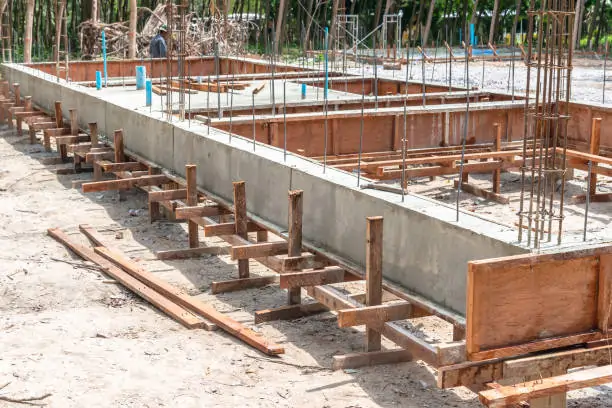
Foundations are the unseen backbone of any home, providing stability and ensuring the structure above remains secure. Choosing the right foundation type and maintaining it properly are essential for a house’s longevity. In residential construction, slab and pier-and-beam foundations are two common approaches, each with unique characteristics that influence their performance over time. Homeowners in regions with variable soil conditions often face challenges related to foundation shifts, cracks, and uneven settling. Understanding which foundation type may require more frequent repairs can help homeowners make informed decisions about maintenance and preventive measures. We will explore the differences between slab and pier-and-beam foundations and analyze factors that contribute to repair needs.
Comparing Repair Needs Between Slab and Pier-and-Beam Foundations
- Slab Foundations and Their Vulnerabilities
Slab foundations, also known as concrete slabs, are poured directly onto the ground, creating a single solid base for the structure. One advantage of this method is that it provides a level surface quickly and reduces the risk of pests beneath the home. However, the lack of an accessible crawl space can make slab foundations more challenging to repair when problems arise. Soil movement is a major contributor to slab issues. Clay-heavy soil expands and contracts with moisture levels, which can lead to cracks, sinking, or uneven floors. Plumbing leaks beneath the slab further exacerbate the problem, as moisture accumulation can cause portions of the foundation to lift or deteriorate. Homeowners can learn more about our Sugar Land location and the services we provide to address these common foundation concerns.
Repairing slab foundations often requires professional intervention, such as pier installation or slab lifting, because concrete cannot be easily adjusted once it is poured. Even minor shifts can result in noticeable damage, such as doors sticking or floor tiles cracking. The overall accessibility and soil dependency make slab foundations more prone to urgent repair needs if preventive measures are not followed.
- Pier-and-Beam Foundations and Maintenance Considerations
Pier-and-beam foundations utilize a network of concrete or wooden piers supporting horizontal beams that carry the weight of the home. This design creates a crawl space beneath the structure, allowing easier access for plumbing, electrical, and structural maintenance. One of the main benefits is that minor settling or soil movement can be adjusted without extensive excavation. The crawl space provides a buffer against soil expansion and contraction, allowing homeowners to address issues before they escalate.
However, pier-and-beam foundations are not immune to problems. The beams or piers themselves may degrade over time due to moisture, termites, or improper installation. Regular inspections are necessary to identify signs of wear, sagging, or shifts. While repairs are typically easier to access than slab foundations, maintenance may be more frequent because ongoing inspections and adjustments are often required to ensure proper support. The trade-off is that the overall process is generally less invasive and less costly than major slab repairs.
- Impact of Soil Conditions on Repair Frequency
The type of soil beneath a home is a determining factor in how often foundation repairs are needed. Expansive soils swell when wet and shrink when dry, placing stress on both slab and pier-and-beam foundations. Slab foundations are particularly sensitive because the concrete is rigid and cannot flex with soil movements, often leading to cracks and uneven settling. Pier-and-beam foundations, while more adaptable, may experience localized sagging if the piers are not deep enough or if moisture penetrates the crawl space. Homes built on well-compacted and stable soil typically experience fewer foundation issues, regardless of foundation type. Proper grading, drainage, and moisture control are crucial preventive measures that can significantly reduce repair frequency for both foundation types.
- Accessibility and Cost Implications for Repairs
Accessibility plays a key role in how foundation repairs are conducted. Slab foundations require lifting, pier insertion, or concrete grinding to correct uneven sections, which can be labor-intensive and costly. In contrast, pier-and-beam foundations allow for localized adjustments because the beams and piers can be modified individually without affecting the entire structure. While slab foundation repairs may be less frequent due to their solid nature, they tend to be more costly and complex when issues arise. Pier-and-beam foundations may need more frequent attention, but the repairs are typically smaller in scale and easier to execute. Homeowners must weigh the trade-off between potentially fewer but more intensive slab repairs versus more frequent, accessible pier-and-beam maintenance.
- Environmental and Structural Considerations
Environmental factors, including humidity, rainfall, and temperature fluctuations, influence foundation performance. Slab foundations can be vulnerable to rapid soil drying or excessive moisture accumulation, leading to shifting and cracking. Pier-and-beam foundations, with their elevated design, offer improved airflow beneath the house, reducing moisture-related problems such as wood rot and mold. Additionally, older pier-and-beam homes may require periodic beam replacement or pier reinforcement to maintain structural integrity. Both foundation types require vigilance, but environmental exposure can dictate which system will face more repair challenges over time. For example, areas prone to flooding or high water tables may affect slab foundations more severely. In contrast, areas with termite activity or persistent dampness may increase maintenance needs for pier-and-beam structures.
The question of which foundation type needs repair more often does not have a simple answer. Slab foundations, with their rigidity, may require less frequent attention but involve more complex and costly repairs when problems occur. Pier-and-beam foundations allow easier access for maintenance and adjustments, potentially requiring more frequent interventions, but often at a lower cost and with less disruption. Environmental factors, soil conditions, and preventive measures all influence the frequency and extent of repairs. Homeowners must evaluate their property’s soil, moisture levels, and foundation design to determine the most suitable maintenance approach. Ultimately, careful monitoring, timely intervention, and proper drainage management are key strategies to keep any foundation stable and secure for years to come.
Read more: The Role of Therapy (CBT, Group, Family) in Inpatient Rehab Success – Spiritual Meaning Portal
Why High-Humidity Homes Need Enhanced Heat and Air Solutions – Spiritual Meaning Portal