
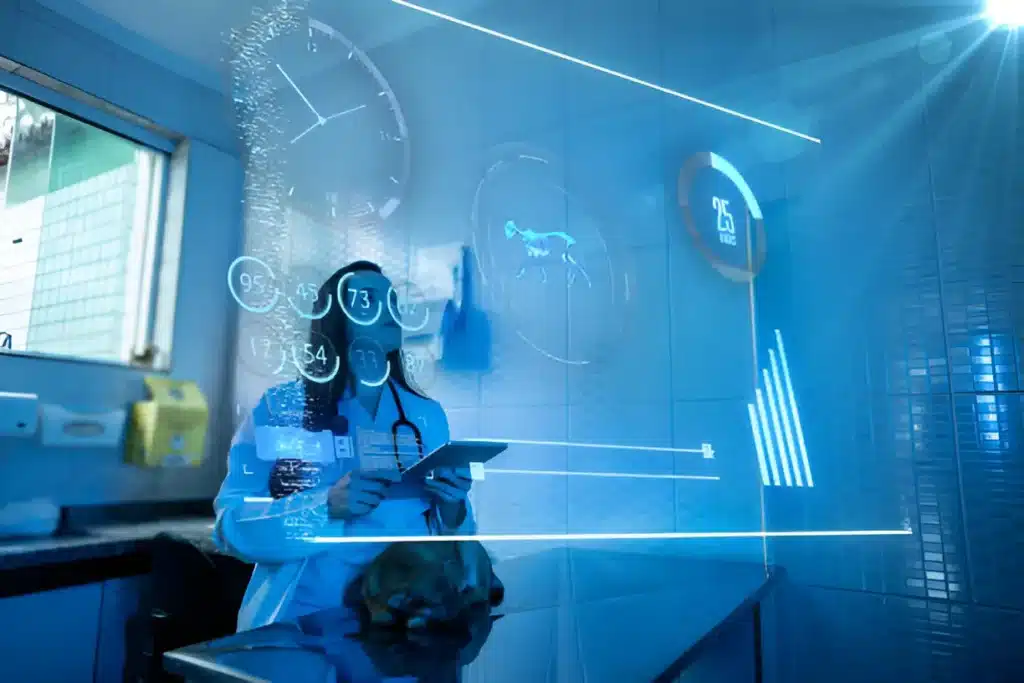
The concept of a hospital is evolving. Beyond being centers for treatment, modern healthcare facilities are becoming intelligent, interconnected ecosystems. This transformation is driven by two powerful technologies: artificial intelligence (AI) and the Internet of Things (IoT). Together, they are creating “smart hospitals” that enhance patient care, streamline operations, and pave the way for a more predictive and personalized approach to medicine.
What Defines a Smart Hospital?
A smart hospital uses connected devices and automated systems to improve existing processes and introduce new capabilities. This network of technology gathers and analyzes data in real time, providing actionable insights to clinicians, administrators, and even patients. The goal is to create a more efficient, responsive, and patient-centric environment. At the core of this model are AI algorithms that process vast amounts of information and IoT devices that serve as the data collection points.
IoT: The Connected Nervous System of Healthcare
The Internet of Things refers to a network of physical devices, from simple sensors to complex medical equipment, that are embedded with technology to connect and exchange data over the internet. In a hospital setting, IoT is the foundation for a wealth of real-time information.
Enhancing Patient Monitoring
Smart beds equipped with sensors can track a patient’s vital signs, movement, and sleep patterns without requiring constant manual checks from nursing staff. Wearable devices, such as biosensors, can continuously monitor heart rate, oxygen saturation, and temperature, automatically alerting medical teams to any concerning changes. This constant stream of data allows for earlier intervention and more proactive care.
Optimizing Hospital Operations
IoT extends beyond patient rooms. Asset tracking tags can be placed on vital equipment like infusion pumps and wheelchairs, allowing staff to locate them instantly. This reduces wasted time and ensures that critical tools are available when needed. Smart building technology can manage energy consumption, control facility access, and monitor environmental conditions to maintain a safe and comfortable setting.
AI: The Brain Behind the Operation
While IoT devices collect the data, artificial intelligence provides the intelligence to make sense of it. AI algorithms can identify patterns, predict outcomes, and automate complex tasks, empowering healthcare professionals to make more informed decisions.
Predictive Analytics and Diagnostics
AI is making significant strides in medical imaging analysis. Machine learning models can analyze X-rays, CT scans, and MRIs to detect subtle signs of disease that might be missed by the human eye. These tools act as a valuable assistant to radiologists, improving diagnostic accuracy and speed. Predictive analytics can also forecast patient admissions based on community health trends, helping hospitals manage bed capacity and staffing levels more effectively.
Streamlining Administrative Workflows
AI-powered systems automate routine administrative tasks, freeing up valuable time for clinical staff. These systems can manage scheduling, optimize patient flow, and handle billing processes. For instance, sophisticated ePrescribe software can be integrated with AI to check for potential drug interactions before a prescription is finalized, adding a crucial layer of patient safety.
The Synergy of AI and IoT in Practice
The true power of a smart hospital emerges when AI and IoT work together. A wearable IoT sensor might detect an irregular heartbeat in a cardiac patient. This data is instantly sent to the central monitoring system. An AI algorithm analyzes the data in context with the patient’s medical history, assesses the urgency, and alerts the appropriate clinical team with a summary and a recommended course of action. This seamless flow of information from detection to intervention can significantly improve patient outcomes.
Similarly, IoT sensors on hospital equipment can predict maintenance needs before a breakdown occurs. The AI system can then automatically schedule a technician and order necessary parts, preventing costly downtime and disruptions to patient care.
The Future of Connected Care
The integration of AI and IoT is redefining the modern hospital. This technological shift is creating environments that are not only more efficient but also safer and more responsive to patient needs. As these technologies continue to advance, we can expect even more sophisticated applications, from AI-driven robotic surgery to personalized treatment plans based on real-time genetic and lifestyle data. The smart hospital is no longer a futuristic concept; it is the new standard for delivering exceptional healthcare.
Also Read
- Responsible Borrowing: Mindful Practices for Short-Term Loan User
- Promotions Actually Help Casual Bettors?
- Enhancing Your Off-Road Safety: The Best Bullbars in Perth