Winter in East Tennessee can be unpredictable. Some days feel mild, while others bring sudden cold snaps that catch homeowners off guard. For people living in Maryville, frozen pipes are one of the most common winter plumbing problems. After talking with Maryville plumbers from Tennessee Standard Plumbing, one thing becomes clear: not all pipes face the same level of risk when temperatures drop.
Understanding which pipes freeze first and why can help homeowners take simple steps before winter causes costly damage.
Why Frozen Pipes Are a Big Problem
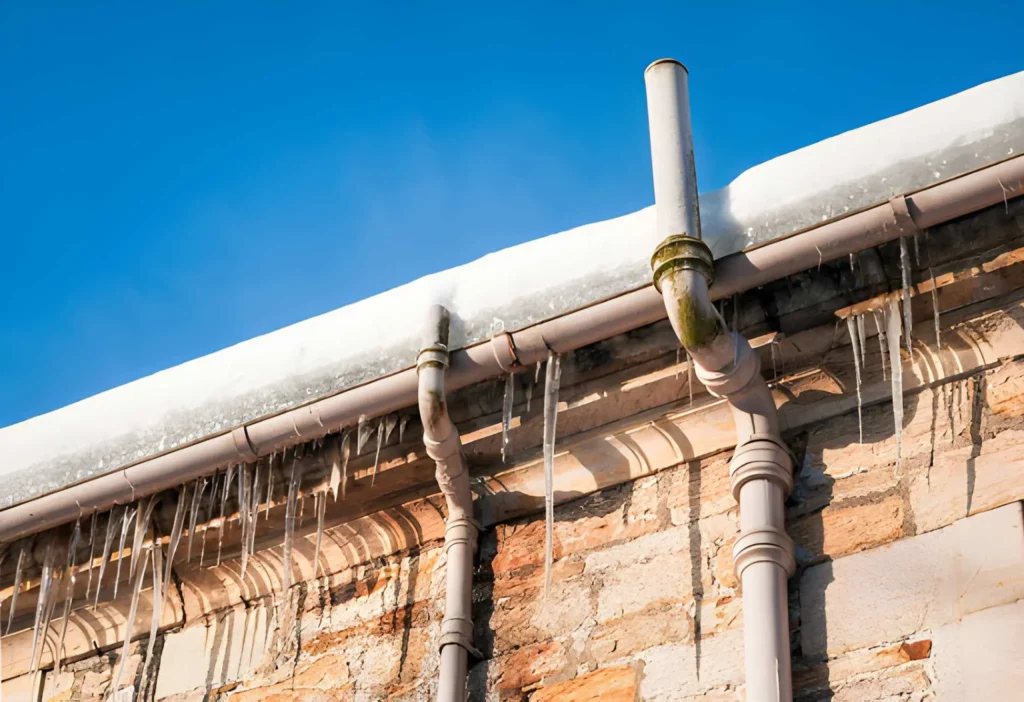
When water freezes, it expands. Inside a pipe, that expansion creates pressure. If the pressure becomes too strong, the pipe can crack or burst. The real damage often happens later, when the ice melts and water starts leaking into walls, ceilings, or floors.
Frozen pipes don’t just interrupt water service. They can lead to flooding, mold growth, and expensive repairs. That’s why knowing where your most vulnerable pipes are located matters.
Pipes Near Exterior Walls
Pipes that run along outside walls are some of the first to freeze during cold weather. These walls are exposed to outdoor temperatures, and insulation is often thinner there.
Bathrooms, kitchens, and laundry rooms located on exterior walls tend to have higher freezing risk. Even if the room itself feels warm, the space inside the wall cavity can be much colder.
Cabinets under sinks are especially risky. When cabinet doors stay closed, warm air from the home can’t reach the pipes inside.
Pipes in Unheated Spaces
Any pipe located in an unheated or poorly heated area is vulnerable. In Maryville homes, this often includes:
– Crawl spaces
– Garages
– Basements without insulation
– Attics
Garages are a common trouble spot. Even attached garages usually stay colder than the rest of the house, especially overnight. Water lines running through garage ceilings or walls freeze faster than people expect.
Crawl spaces can be even more dangerous because homeowners rarely check them during winter.
Pipes in Older Homes
Older homes in Maryville may have plumbing systems that weren’t designed with modern insulation standards. Some older pipes run closer to exterior walls or through areas that were never meant to hold plumbing.
In many cases, insulation has shifted, settled, or broken down over time. That leaves pipes more exposed to cold air than homeowners realize.
Older homes may also have outdated materials that respond differently to freezing temperatures.
Pipes Made from Certain Materials
Not all pipe materials handle freezing the same way.
Metal pipes, such as copper or steel, freeze faster than plastic ones because metal conducts cold quickly. Once frozen, metal pipes are more likely to burst under pressure.
Plastic pipes, like PEX, can expand slightly and are less likely to burst, but they can still freeze and block water flow. Repeated freezing can still weaken them over time.
Material alone doesn’t guarantee safety, but it does affect how quickly freezing happens and how much damage occurs.
Pipes with Little or No Insulation
Even pipes inside the home can freeze if insulation is missing or poorly installed. Insulation acts as a buffer, slowing heat loss when temperatures drop.
Pipes tucked behind drywall, under floors, or inside ceilings may look protected, but gaps in insulation can let cold air reach them. This is especially true near vents, access panels, or unfinished areas.
Small insulation problems often go unnoticed until a freeze exposes them.
Pipes with Low Water Flow
Pipes that aren’t used often are more likely to freeze. Water sitting still cools faster than water that moves regularly.
Common examples include:
Guest bathrooms
Outdoor hose lines
Basement sinks
Seasonal utility connections
If water hasn’t flowed through a pipe in hours or days, freezing becomes more likely during cold nights.
Outdoor Faucets and Hose Bibs
Outdoor faucets are among the most vulnerable plumbing fixtures in winter. Even frost-proof models can freeze if hoses remain attached or if interior shut-off valves aren’t used.
A frozen outdoor faucet can cause damage inside the wall, not just outside. Many homeowners don’t realize there’s a problem until water starts leaking indoors.
Disconnecting hoses and shutting off outdoor lines before winter makes a big difference.
Why Maryville Weather Makes Freezing Tricky
Maryville winters often involve temperature swings. A warm day followed by a sudden freeze can catch homeowners unprepared. Pipes that survived earlier cold spells may freeze during these quick drops.
This stop-and-start pattern is sometimes worse than steady cold because people assume their plumbing is safe after mild weather returns.
Small Steps That Make a Big Difference
While every home is different, simple actions can lower the risk:
– Letting faucets drip during extreme cold
– Opening cabinet doors under sinks
– Sealing air leaks near pipes
– Adding insulation where needed
These steps don’t eliminate all risk, but they help buy time during cold snaps.
Frozen pipes are rarely caused by one big mistake. They usually happen because of small, overlooked details: an uninsulated section, a cold wall, or a rarely used faucet. Knowing which pipes freeze first gives homeowners a chance to stay ahead of winter problems instead of reacting to emergencies.
Disclaimer:
Pipe vulnerability, freezing risk, and repair outcomes can vary based on home age, construction, insulation, pipe material, and weather conditions. This article is for general information only and does not replace professional evaluation.
Tennessee Standard Plumbing
392 High St, Maryville, TN 37804
Phone: (865) 433-8509
Also Read-Come Home To Calm With Professional House Cleaning Services