
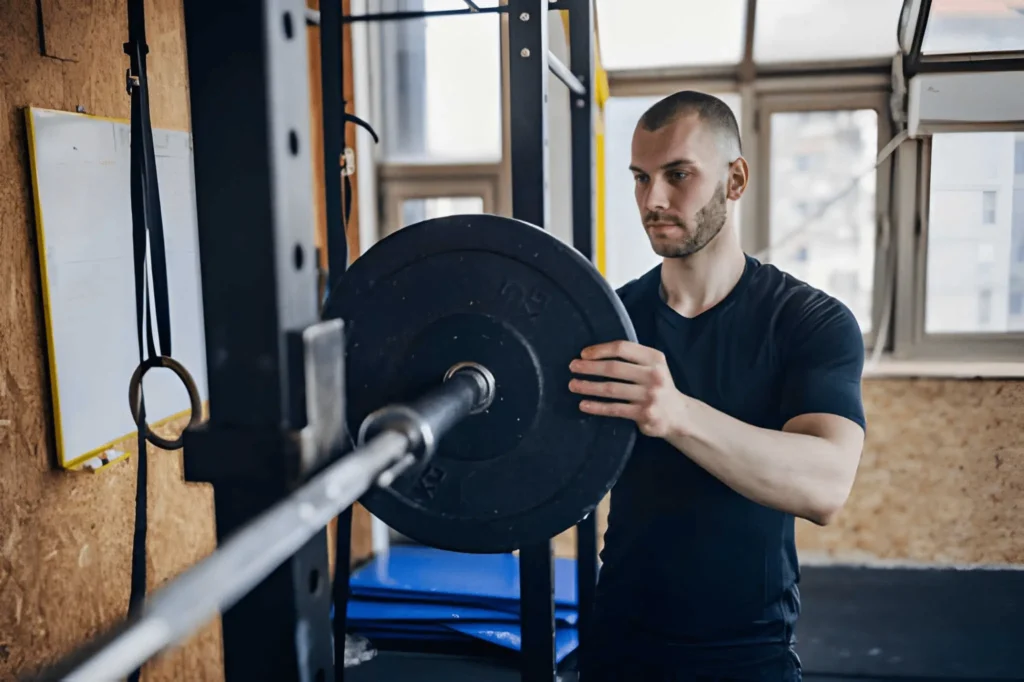
Creating a solid training setup—whether at home, in a garage, or inside a commercial fitness space—starts with choosing the right tools. And when it comes to building strength, improving athletic performance, or simply staying active as part of your lifestyle, few pieces of equipment are as reliable and versatile as a good barbell and a set of weights. They’re simple, durable, and incredibly adaptable to different fitness levels and goals.
Think of them like the power tools of the fitness world. Just as a contractor relies on the right drill or saw to get a job done safely and efficiently, lifters need dependable barbells and weight plates that fit their strength journey. If you’ve ever tried to assemble furniture with a flimsy screwdriver, you know that the right tool makes a massive difference. The same principle applies here.
Before you dive into the wide world of weightlifting equipment, let’s break down how to make smart, confident choices.
Understanding Your Training Needs
The first step isn’t picking up a barbell—it’s understanding yourself. Different goals require different types of barbells and weight setups.
If your focus is general strength, you’ll want equipment that can grow with you over time. Even if you’re relatively new to training, your progress will push you to lift heavier weights sooner than you think. Weight plates that start moderate and increase gradually will keep you challenged without overwhelming your budget.
Those aiming for powerlifting—which includes the squat, deadlift, and bench press—need barbells built to handle heavier loads with minimal bend. Their knurling (the textured grip on the bar) is usually more pronounced to ensure a solid hold during intense lifts.
Meanwhile, individuals who love Olympic lifting, such as clean and jerks or snatches, need bars with greater flexibility, or “whip.” These bars also usually feature smooth, fast-spinning sleeves to support dynamic movements. This might sound like a small detail, but if you’ve tried lifting with a stiff bar during a dynamic exercise, you’ll feel the difference instantly—much like trying to sprint in hiking boots instead of running shoes.
And of course, many people want equipment that simply supports general fitness and toning, whether for a home gym or a personal studio. In this case, adjustable dumbbells, lighter plates, or compact barbells may make more sense than heavy-duty setups.
Types of Barbells and What They’re Best For
When you walk into a gym, the bars on the rack might look identical. But they’re not. Each one has a purpose, and knowing the difference helps you buy exactly what you need, not what looks impressive on the shelf.
Standard Barbell
A standard barbell is lightweight, usually shorter, and ideal for beginners. It works well for basic exercises like curls, presses, and rows. If you’re starting small or working with limited space, this is a budget-friendly option.
Olympic Barbell
This is the bar you’ll find in most commercial gyms. It typically weighs 20kg and features rotating sleeves for smoother movement. If you’re taking training seriously—even at home—this is the barbell of choice, thanks to its durability and versatility.
Power Bar
Heavier, stiffer, and designed to support heavy loads, power bars are the go-to for anyone training for big lifts. Their rigidity ensures stability; it’s like using a sturdy ladder rather than a flexible one when reaching high spots.
Technique Bar
This bar is much lighter and perfect for learning from. Athletes and trainers often use them to teach movements safely without risking injury from heavier loads.
Specialty Bars
Hex (trap) bars, safety squat bars, and multi-grip bars fall under this category. These bars are fantastic for people with mobility challenges or for athletes seeking variety in their training. For example, trap bars allow people with lower back limitations to lift while keeping the spine in a more neutral position—helpful for workers who stand or bend frequently, such as warehouse staff or mechanics.
Choosing the Right Weights
Just as barbells differ in purpose, weight plates come in different forms, too. And the type you choose depends on the workouts you enjoy and the environment in which you train.
Cast Iron Plates
These classic plates are durable and often more affordable. They’re perfect for controlled lifts like bench presses or rows. The downside? They’re loud when dropped—which can be an issue if you’re lifting early in the morning with the family still asleep in the next room.
Bumper Plates
Made from dense rubber, bumper plates are designed to be dropped safely. They’re great for home gyms, Olympic lifting, or anyone who wants to protect their floor. Their uniform diameter also helps maintain bar alignment during lifts.
Change Plates and Fractional Plates
These smaller plates help you gradually increase your weight. They’re ideal for lifters who want precise progress, especially when working through sticking points in their lifts.
Weight Increments Based on Goals
- General fitness: 2.5kg–10kg increments
- Strength training: 5kg–20kg increments
- Intermediate to advanced lifting: fractional plates for micro-progression
It’s very similar to budgeting—people who want steady financial improvement follow gradual increases rather than massive leaps. Training works the same way.
Features That Actually Matter
It’s easy to get distracted by fancy marketing terms, but when choosing barbells and weights, a few core features make the biggest difference.
Knurling
This grip pattern shouldn’t feel like sandpaper, but it should help you hold the bar comfortably. If you train often, choose moderate knurling to protect your hands.
Sleeve Rotation
Good barbells have smooth-spinning sleeves, which reduce strain on your wrists and shoulders. This is especially important during dynamic lifts.
Durability Ratings
Some bars include tensile strength numbers. Higher numbers mean stronger bars, making them suitable for heavy lifting. If you’re not lifting extreme weights, you don’t need the most expensive grade—but do pay attention to steel quality.
Material Coating
Chrome, black oxide, and zinc coatings all help protect the bar from rust. If you live in humid environments or train in a garage, this becomes an important factor.
These details might seem small, but just as choosing the right materials for a construction site or the right blade in a kitchen affects results and longevity, the quality of your equipment directly affects results and longevity.
Putting It All Together
As you build or upgrade your training space, creating a setup that feels good, fits your goals, and encourages consistency is key. That’s why many lifters explore options like barbell & weight equipment once they understand what best suits their needs. Having the right pieces isn’t about having the most expensive setup—it’s about having equipment that supports your progress safely and effectively.
Training with intention also means understanding how your body moves and how equipment impacts that movement. If you’ve ever learned about human biomechanics or the broader field of strength training, you’ll notice how equipment choices can influence long-term progress. Becoming familiar with these principles empowers you to make smarter buying decisions based on science, not trends.
Final Thoughts
The best barbell and weight setup is the one that matches your goals today while still giving you room to grow tomorrow. Whether you’re building strength for a physically demanding job, improving athletic performance, staying active for long-term health, or simply enjoying the feeling of lifting something heavy and putting it down again, your equipment plays an important role.
Take time to understand your needs, assess your space, and choose pieces that make training enjoyable. With the right gear and the right mindset, your home or commercial gym becomes more than a place to lift—it becomes a space where strength, confidence, and consistency thrive.
Also Read-The Rise of Sleep Health Technology