
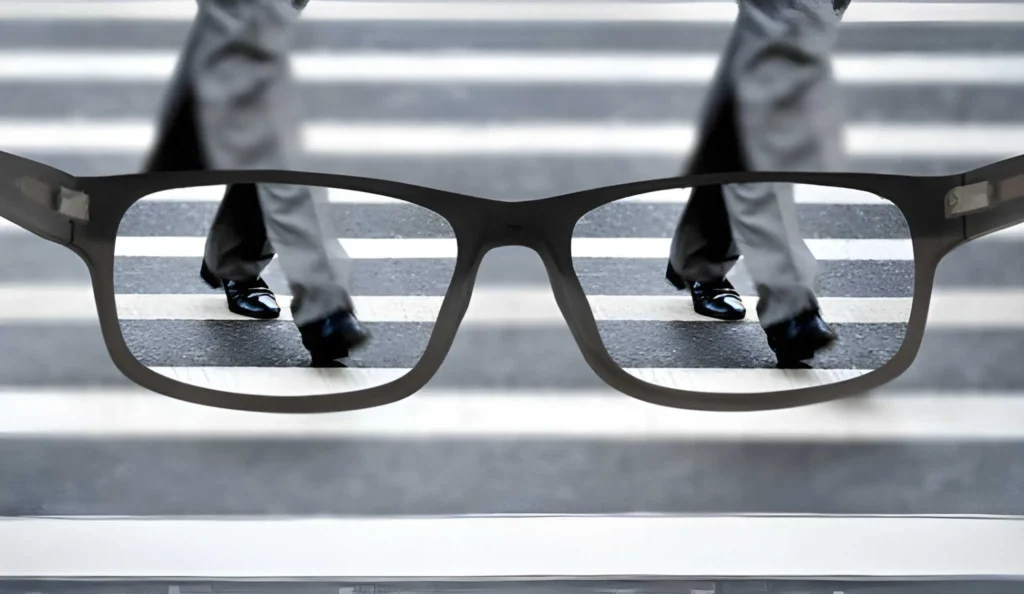
Vision does more than help you see. It plays a fundamental role in how your body and mind coordinate movement, process information, and navigate space. Clear vision supports physical balance, mental focus, emotional wellbeing, and overall quality of life. When visual input is precise and reliable, the body can move with confidence, and the mind can engage fully with the world.
Below are eight ways that clear vision contributes to personal balance in everyday life.
Supports Physical Stability and Coordination
Balance is a full-body experience that relies on sensory information from the eyes, inner ear, and muscles. Visual cues help your brain estimate where obstacles lie, how far away surfaces are, and how to adjust posture while walking or standing. When vision is clear, these signals are more accurate, giving your body the information it needs to stay steady.
Blurry or impaired vision can lead to missteps, hesitation, and loss of confidence while moving. Clear vision fosters smoother coordination and reduces the risk of falls and injury.
Helps Navigate Complex Environments
Everyday environments are full of visual challenges; stepping onto curbs, walking through crowds, or adjusting to uneven lighting. Clear vision enables quick processing of visual details, which supports safe navigation through these situations. This strengthens both physical balance and situational confidence.
When vision is compromised, the brain must work harder to interpret visual information, which can slow reaction time and create stress.
Reduces Mental Fatigue and Improves Focus
Clear vision reduces the cognitive effort required to interpret the world. When your eyes are straining to focus, your brain allocates extra resources to processing blurred or inconsistent input. This can lead to mental fatigue, tension headaches, and decreased concentration.
By supporting visual precision, clear vision allows your mind to stay engaged with what you are doing rather than constantly correcting or interpreting unclear signals. This enhances mental balance and focus throughout the day.
Enhances Emotional Confidence and Comfort
Vision plays a powerful role in emotional wellbeing. Being able to see faces, expressions, and surroundings with clarity creates a sense of connection and comfort. When vision declines, even minor tasks can feel stressful or isolating.
Addressing vision issues, especially when age-related changes occur, helps preserve emotional confidence. For individuals experiencing significant visual changes, consulting a specialist for options like cataract surgery near Nashville, TN can restore clarity and ease of vision, which in turn supports emotional balance.
Improves Sleep and Reduces Strain
Poor vision can contribute indirectly to disrupted sleep patterns. Eye strain often leads to discomfort, tension, and headaches, which can delay relaxation and make falling asleep more difficult. Additionally, prolonged screen time without proper visual support can affect circadian rhythms.
Clear vision reduces strain and helps maintain comfortable visual function throughout the day, which supports healthier sleep cycles and overall balance.
Encourages Active Participation in Daily Life
When vision is clear, people are more likely to engage in physical activities, social events, and hobbies without hesitation. Active participation is a key component of personal balance because it promotes physical health, social connection, and emotional fulfilment.
Compromised vision can lead to withdrawal from activities that once brought joy, which may impact overall wellbeing. Supporting clear vision enables fuller engagement in life.
Enhances Safety in Everyday Tasks
Tasks such as driving, cooking, walking in dim light, or navigating stairs require precise visual input. Clear vision supports safe execution of these activities and reinforces confidence in personal capability.
Better visual balance means fewer surprises and more assurance that your body knows how to respond to the environment around you.
Strengthens Cognitive and Sensory Integration
Vision is deeply integrated with other senses. Clear visual input helps the brain synchronize information from the inner ear and proprioceptive feedback from muscles. This sensory integration is essential for maintaining physical balance and spatial awareness.
When visual clarity is compromised, the brain has to work harder to reconcile conflicting information, which can challenge stability and coordination.
Summing Up
Clear vision supports personal balance in ways that reach far beyond eyesight alone. From physical coordination and safety to mental focus and emotional confidence, vision plays a central role in how effectively we interact with the world. Prioritizing visual clarity through regular eye care and appropriate intervention ensures that balance remains part of everyday life.
Also Read-The best tech trends for small businesses in 2024