
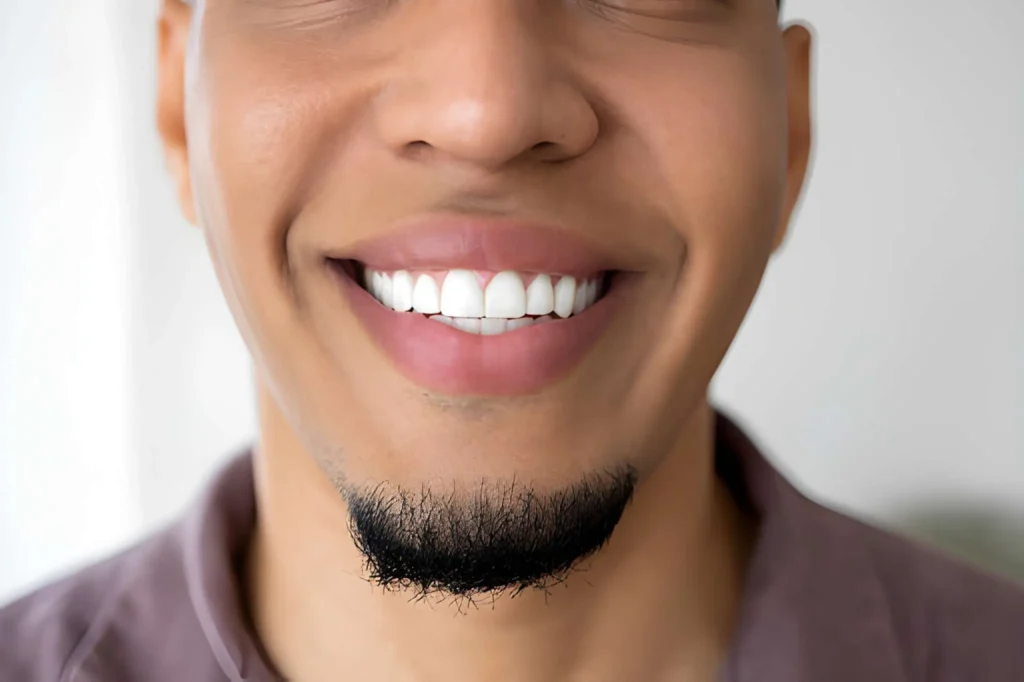
If you have struggled for years with failing teeth, loose dentures or frequent dental repairs it is worth knowing there is a modern alternative that can restore a full arch of teeth with far fewer implants and much faster results. According to Temecula Dental Implants and Oral Surgery, Menifee, CA this technique can give patients a functional permanent smile in a fraction of the time compared to traditional implant methods.
What Is The All-On-4 Concept
The term All-on-4 dental implants (also known as “All-on-Four” or “All-in-Four”) describes a method to replace an entire upper or lower set of teeth using only four titanium implants.
- Two implants are placed vertically in the front of the jaw where bone is densest.
- The other two are angled at the back to avoid anatomical structures (like sinus cavities or nerves) and to maximize bone contact.
- Once placed, the four implants support a fixed bridge of 10–14 teeth, often allowing patients to leave the clinic with a functional temporary set the same day as surgery.
That means rather than needing one implant per missing tooth (which can be 6–8 implants per arch or more), All-on-4 simplifies the process – fewer implants, less bone grafting, and a much shorter timeline.
Why Many Prefer All-On-4 Over Other Options
All-on-4 offers several big advantages that make it a favorite for full-mouth restoration.
● Immediate Function and Fast Turnaround
On the day of surgery, implants go in and a temporary full-arch bridge can be attached – so you don’t leave with gaps.
● Less Invasive Approach
Because the back implants are angled, many patients avoid bone grafting – a common requirement for older methods.
● Stability And Natural Feel
Unlike removable dentures that can slip or CLICK when you speak or chew, All-on-4 implants are fixed. That means much more confidence eating, speaking, and smiling.
● Long-Term Oral Health Benefits
Implants stimulate jawbone and help maintain bone structure – something dentures cannot do. That helps preserve facial shape and long-term oral health.
● Cost-Effective Full-Arch Solution
Because you use fewer implants and reduce need for extra procedures, the overall treatment can be more cost-effective and time-efficient than multiple single-tooth implants or complex grafting.
Who Makes A Good Candidate
All-on-4 is an attractive option, but not everyone qualifies. The typical ideal candidates are:
- People who have lost most or all teeth in one or both arches or have many failing teeth that are not salvageable.
- Individuals whose bone structure – particularly in the front jaw – is adequate to support implants without complex grafting.
- Those ready to undergo oral surgery and commit to good oral hygiene and follow-up care.
Because the technique uses only four implants per arch, even patients with bone resorption or degradation – who might not be good candidates for traditional implants – may still be eligible.
The Treatment Timeline And Process
Getting All-on-4 is more streamlined than older implant methods. Here is a typical journey.
First Step: Consultation And Diagnostics
- Detailed exam, including imaging (like CBCT) to assess bone volume and structure.
- Review of health history and dental condition.
On Surgery Day
- Any failing teeth are extracted as needed.
- Four implants are placed – two front vertical, two angled at rear – under anesthesia or sedation.
- A temporary fixed bridge (prosthetic teeth) is attached immediately or next day so you have a full smile right away.
Healing / Osseointegration Phase
- Over the next 3–6 months, the implants fuse with the jawbone.
- Once healed, a permanent, more durable bridge is attached – often made of higher-end materials like zirconia for strength, longevity, and natural aesthetics
Long-term Maintenance
- Like natural teeth implants require regular cleaning. Daily brushing, specialized flossing (or water-flossers), and routine dental checkups or professional cleanings are necessary.
- With good care, implants and prosthesis can last many years, making All-on-4 a long-term investment in oral health, as detailed on the https://www.premieroralnfacialsurgery.com website.
Important Considerations And Aftercare
All-on-4 is powerful, but it is still a surgical procedure and requires careful thought.
- Surgical risks and recovery: You may experience swelling, discomfort, or bruising after surgery. It can take time to adjust to the new prosthesis, especially with chewing and speaking at first.
- Commitment to hygiene matters: Because the implant-supported bridge is fixed, thorough cleaning is critical. Neglecting oral hygiene can lead to complications like peri-implantitis (infection around implants) which could jeopardize long-term success.
- Not every case avoids grafting: While many patients avoid bone grafts thanks to angled implants, if bone loss is extensive or anatomical issues are present, additional procedures might still be needed.
- Initial cost vs lifetime value: The upfront cost is higher than dentures. However, given the durability, stability and improvement in quality of life, many consider it worth the investment for long-term oral health.
Is All-On-4 The Right Choice For You
If you’re dealing with failing teeth, unstable dentures or multiple missing teeth and you want a permanent solution without going through multiple surgeries or long healing periods, All-on-4 could be a great path – as long as you are healthy enough for surgery and ready to commit to proper oral care.
Talk with a qualified implant expert who can assess your bone structure, health history and lifestyle. With solid planning, what starts as a dental procedure can end as a confidence restorer, with a reliable, functional smile for years to come.
Getting a full-arch restoration is a big decision. But when done right, All-on-4 isn’t just about replacing teeth; it’s about repairing quality of life, reclaiming confidence, and investing in long-term oral health.
Also Read
- The Rise of Sleep Health Technology
- How Root Canal Therapy Supports Long-Term Dental Health
- How Natural Décor Can Enhance Mental Health at Home and Work