
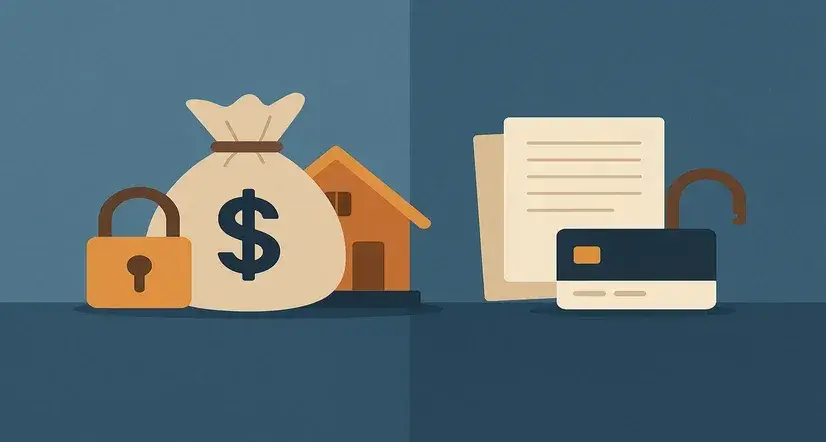
When people hear the word debt recovery, they often imagine the same process playing out no matter the type of balance involved. In reality, the way debt is recovered depends heavily on whether it is secured or unsecured. That distinction shapes everything from timelines to pressure levels to what consumers are actually at risk of losing.
Looking at recovery from the consumer exposure angle helps clarify why these two categories feel so different in practice. Many people start researching options to settle unsecured debt after realizing that not all debt carries the same consequences. Understanding how recovery works for each type can reduce fear and replace it with clarity.
Debt recovery is not just about what is owed. It is about what backs the obligation and how creditors are allowed to pursue repayment.
What Secured Debt Really Means
Secured debt is tied to collateral. This collateral is an asset that the lender can claim if the borrower does not meet the terms of the agreement. Common examples include mortgages and auto loans.
Because an asset is attached to the debt, recovery is more direct. If payments stop, the lender’s first focus is usually the collateral itself. Repossession or foreclosure becomes the primary recovery path, often without lengthy negotiation.
From the consumer perspective, the risk is clear. Failure to pay can lead to the loss of a home, vehicle, or other pledged asset. This clarity shapes both behavior and urgency around secured debt.
How Secured Debt Recovery Typically Unfolds
Recovery for secured debt follows a structured sequence. Missed payments trigger notices. Continued nonpayment leads to default. Once in default, the lender moves toward reclaiming the asset.
This process is governed by contracts and state laws, but the core principle is consistent. The lender recovers value by taking possession of the collateral and selling it. Any remaining balance after sale may still be owed, depending on the terms and local regulations.
Because recovery is tied to a tangible asset, secured debt recovery tends to move faster and with fewer variables.
Why Unsecured Debt Works Differently
Unsecured debt has no collateral attached. Credit cards, medical bills, and personal loans fall into this category. Recovery depends entirely on the borrower’s ability and willingness to pay.
From the creditor’s perspective, unsecured debt carries more uncertainty. There is no asset to reclaim. Recovery relies on communication, payment arrangements, or legal action.
For consumers, this changes the exposure. There is no immediate risk of losing property tied directly to the debt. Instead, the risk shows up through credit damage, collection efforts, and potential legal judgments.
The Recovery Path for Unsecured Debt
Unsecured debt recovery usually begins with outreach. Statements, reminders, and calls aim to re establish payment. If hardship continues, accounts may be transferred to collections or handled by specialized departments.
At later stages, creditors may consider legal options. Lawsuits are a possibility, but they require time, cost, and documentation. Even then, recovery depends on the consumer’s financial situation and applicable laws.
The Consumer Financial Protection Bureau explains consumer rights and collection practices. These protections influence how unsecured debt can be pursued.
Why Exposure Feels Less Obvious With Unsecured Debt
One reason unsecured debt feels confusing is that the consequences are less immediate. There is no single moment like a repossession date that signals escalation.
Instead, exposure builds gradually. Credit scores decline. Collection activity increases. Stress accumulates. Because the process is less visible, many consumers underestimate how quickly balances can grow or situations can escalate.
Understanding this gradual exposure helps explain why unsecured debt often feels manageable until it suddenly does not.
Negotiation and Flexibility Differences
Secured debt offers limited flexibility because the asset anchors the agreement. Terms are usually strict, and recovery options are predefined.
Unsecured debt allows more variability. Creditors weigh recovery costs against potential outcomes. This creates room for different approaches depending on timing, balance size, and financial circumstances.
This flexibility is not guaranteed, but it exists because unsecured recovery depends on cooperation rather than possession.
Legal Action and What It Means
Legal recovery plays different roles in secured and unsecured debt. For secured debt, legal steps often support asset recovery. For unsecured debt, legal action is a tool to establish a judgment.
A judgment does not automatically result in payment. It creates a legal obligation that may be enforced through methods allowed by law. These methods vary by state and circumstance.
Investopedia provides an overview of unsecured debt and how it differs from secured obligations. Understanding these distinctions helps consumers assess real risk.
Consumer Exposure Compared Side by Side
With secured debt, exposure is concentrated. One asset is at risk, but the outcome is relatively predictable. With unsecured debt, exposure is dispersed. There is no immediate loss of property, but long term financial consequences can be broader.
Credit impact, legal stress, and ongoing collection efforts often weigh heavier over time. This is why unsecured debt can feel mentally exhausting even when no single asset is at stake.
Why Understanding the Difference Changes Decisions
When consumers understand how recovery differs, decisions become more strategic. Priorities shift. Fear becomes grounded in facts rather than assumptions.
Knowing which debts carry asset risk and which rely on process helps people allocate attention and resources more effectively. It also clarifies why advice often differs depending on the type of debt involved.
A Clearer Way to View Debt Recovery
Secured and unsecured debt follow different recovery paths because they are built on different foundations. One relies on assets. The other relies on process.
Neither type is inherently worse. They simply carry different kinds of exposure. Understanding those differences gives consumers a clearer view of what is actually at stake.
When recovery is understood through this lens, debt becomes less mysterious. It becomes a set of rules, risks, and realities that can be navigated with greater confidence and less uncertainty.
Also Read
- Rapid Shutdown Solar Technology: How It Reduces Rooftop Fire Risk
- Best Employer of Record Platforms in Norway for Global Businesses
- How Expert Psychologists in Penrith Provide Guidance for a Better Life