
Key Takeaways
- Natural remedies like oatmeal baths, coconut oil, and apple cider vinegar can effectively soothe your pet’s itchy skin.
- Incorporating omega-3 fatty acids into your pet’s diet may reduce inflammation and improve skin health.
- Regular grooming and maintaining a clean environment can prevent skin irritations.
- Always consult your veterinarian before introducing new treatments to ensure they’re safe for your pet.
Watching your beloved dog scratch, bite, or lick nonstop can be distressing for any pet parent. Itchy skin is a common issue that often leads to discomfort and potential health risks if left unaddressed. If you’ve ever thought, “my dog is constantly scratching and biting himself,” you’re not alone. Fortunately, there are gentle, effective natural remedies to ease your pet’s itchiness and restore their skin health.
While mild cases of itchy skin in pets can often be managed at home, understanding and addressing the underlying cause is crucial. Natural options, combined with improved dietary and grooming habits, can bring relief and help your pet feel comfortable again. As many skin issues stem from environmental or dietary sources, these remedies can often complement the advice of your veterinarian and help keep flare-ups at bay. Before diving into practical solutions, it’s essential to identify what might be irritating your furry friend. Read on for proven tips and guidance—plus expert recommendations on when to get veterinary care.
Understanding the Causes of Itchy Skin in Pets
Before trying any remedies, pinpointing the source of your pet’s itching is vital for long-lasting relief. The most frequent causes include:
- Allergies: Pets can be allergic to specific foods, pollens, dust mites, or grooming products.
- Parasites: Fleas, ticks, and mites are notorious offenders behind relentless scratching.
- Dry Skin: Low humidity, frequent bathing, or the use of harsh grooming products can cause the skin to dry out and become itchy.
- Infections: Bacterial and fungal infections, especially in warm, moist areas, can worsen skin problems.
Recognizing these triggers is integral to stopping the cycle of itching and discomfort. While natural remedies offer safe, at-home approaches, certain conditions, such as infections or severe allergies, may require veterinary assistance and specific prescription medications. To learn more about diagnosing skin issues in animals, visit the ASPCA’s resource on skin problems in pets.
Natural Remedies to Alleviate Itchiness
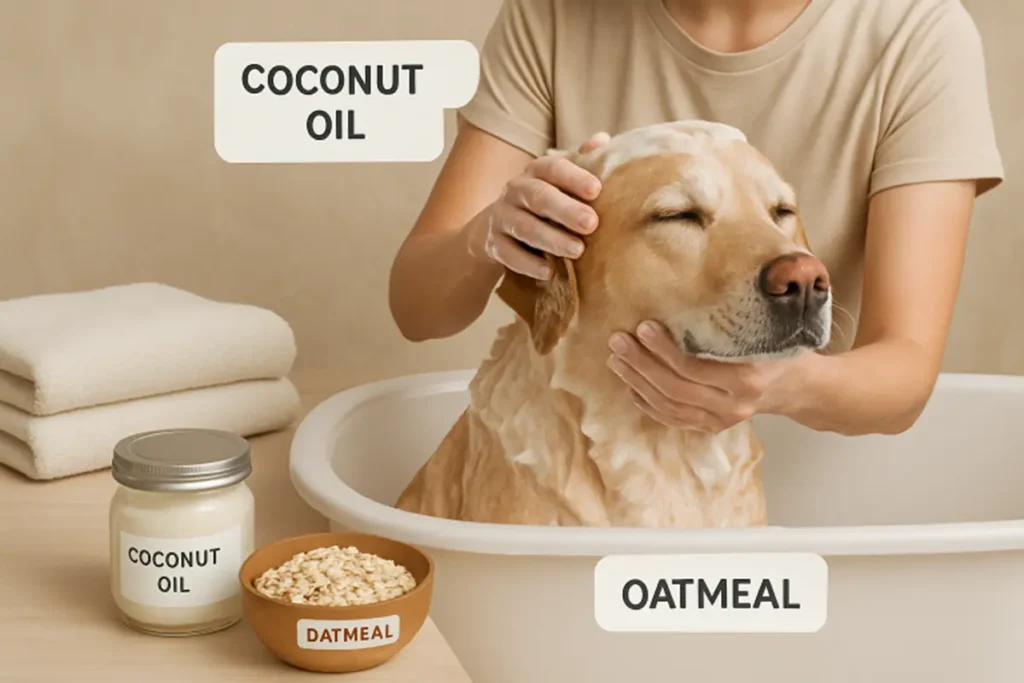
1. Oatmeal Baths
Oatmeal is renowned for its soothing and anti-inflammatory properties. Running a gentle oatmeal bath is a popular at-home treatment for pets experiencing itchiness and irritation. Here’s how to do it:
- Grind plain, unflavored oats into a fine powder using a blender or food processor.
- Add the oat powder to a tub filled with warm (not hot) water.
- Let your pet soak for 10-15 minutes, allowing the oatmeal to calm the skin and reduce inflammation.
Repeat this process every few days during flare-ups for ongoing relief.
2. Coconut Oil
High-quality, unrefined coconut oil is safe for most pets and has both moisturizing and anti-inflammatory properties. Gently apply a thin layer to dry, irritated, or red spots. This can be especially effective for hot spots and mild rashes. As a bonus, some pets also benefit from small amounts added to their diet (check with your vet for appropriate serving sizes).
3. Apple Cider Vinegar Spray
With its natural antiseptic and antifungal properties, apple cider vinegar works well for minor skin irritations. Mix equal parts water and apple cider vinegar in a spray bottle, then spritz onto the affected areas. Avoid applying to any open wounds or raw skin, as the acidity may cause stinging.
4. Aloe Vera
Pure aloe vera gel (with no added alcohol or fragrances) soothes inflamed skin and promotes healing. Dab a small amount directly onto the itchy or irritated area. Aloe vera is safe for external use, but be sure your pet does not ingest it, as it may cause gastrointestinal upset.
5. Chamomile Tea Soaks
Chamomile contains natural antihistamines and anti-inflammatory compounds, making it effective for mild itching and irritation. Brew two or three bags of chamomile tea, let it cool, and then either pour it over the itchy spots or use a soft cloth to dab the tea onto the skin. Let the solution sit for 10-15 minutes before rinsing off if needed.
Dietary Adjustments for Skin Health
Diet plays a pivotal role in your pet’s skin condition. Incorporating sources of omega-3 fatty acids, such as fish oil, into your pet’s meals can reduce inflammation and help heal the skin barrier. These nutrients are found naturally in fatty fish or can be offered as supplements always introduce any new supplement under the supervision of your veterinarian to avoid dosage errors or unwanted side effects.
Grooming and Hygiene Tips
Routine grooming is another crucial element in managing your pet’s skin health. Bathe your pet with moisturizing, hypoallergenic shampoos as needed, and brush frequently to remove dander, loose fur, and potential allergens. Also, keep bedding and living spaces clean, as external irritants like dust or pollen can trigger flare-ups. Regular flea and tick prevention should be part of your ongoing routine to eliminate a common cause of itchy skin.
When to Consult Your Veterinarian
While at-home remedies can be effective for mild or temporary itching, it is vital to seek veterinary care if you observe any of the following:
- Itching that persists longer than one to two weeks or worsens over time
- Redness, swelling, foul odor, or discharge from the skin
- Open sores, oozing, or bleeding areas
- Significant hair loss or bald patches
- Changes in appetite, mood, or overall behavior
Your vet can pinpoint the exact cause whether it’s an allergy, infection, or something else and provide a tailored treatment plan that may include prescription medication, medical baths, or allergy testing.
Conclusion
Helping your pet overcome persistent itching often begins at home with the right combination of natural remedies, dietary adjustments, and proper grooming. However, always remain vigilant and consult your veterinarian promptly if the condition becomes severe or shows signs of infection. Prioritizing your pet’s comfort and health means your furry companion can live free from the irritation and distress of chronic itching.
Also Read-Staying Ahead in Dental Practice: Continuous Education, Tech Trends, and Patient Care