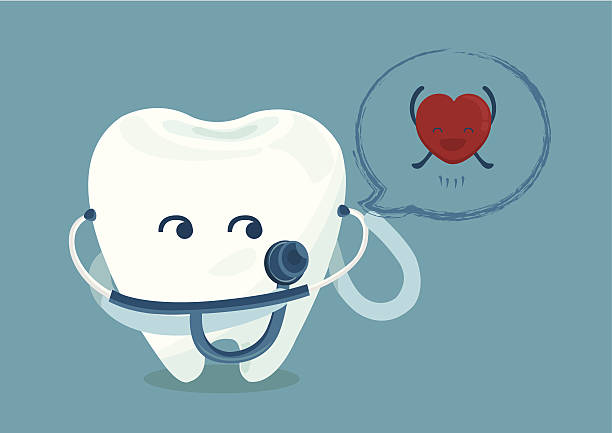
Most people think of dental visits as being strictly about their teeth and gums. What many don’t realize is that the mouth can actually serve as a window into overall health, including the health of the heart and cardiovascular system. This connection is well-documented, and dentists are often in a position to notice warning signs long before other symptoms appear elsewhere. Understanding this relationship can be a powerful motivator to take both dental and cardiovascular health more seriously.
The Mouth-Heart Connection
The link between oral health and heart disease has been studied extensively over the past few decades, and the findings are hard to ignore. Research consistently shows that people with gum disease face a higher risk of developing cardiovascular conditions, including heart attacks and stroke. The leading theory is that bacteria from infected gum tissue can enter the bloodstream and contribute to inflammation in the arteries. This chronic inflammation plays a significant role in the development and progression of heart disease, which makes gum health far more important than most people tend to assume.
Signs Your Dentist Might Notice
During a routine dental exam, your dentist is doing much more than just checking for cavities. They’re carefully observing the condition of your gums, tongue, and soft tissues, all of which can reflect what’s happening throughout the rest of your body. Swollen, bleeding, or receding gums can point to periodontal disease, which has been linked to elevated cardiovascular risk. Your dentist may also notice unusual paleness in the gum tissue, which can sometimes indicate poor circulation or anemia. Observations like these can prompt a recommendation to follow up with a primary care physician or a cardiologist sooner rather than later.
Gum Disease as a Risk Factor
Specialists in oral and maxillofacial surgery and general dentists alike understand that advanced gum disease does not stay confined to the mouth. When periodontal bacteria enter the bloodstream, they can attach to fatty plaques in the coronary arteries, potentially triggering clot formation. This process can narrow the arteries and restrict blood flow to the heart, raising the risk of a cardiac event considerably. Studies have found that individuals with severe periodontal disease are nearly twice as likely to suffer from coronary artery disease compared to those with healthy gums. Treating gum disease promptly, then, isn’t just about saving teeth. It’s genuinely about protecting the heart as well.
Diabetes, Blood Pressure, and Your Dental Visit
Many patients are surprised to learn that their dentist can sometimes identify signs of uncontrolled diabetes or high blood pressure during a routine visit. Dry mouth, recurring infections, and slow-healing sores can all be indicators of unmanaged blood sugar levels, and diabetes is a well-established cardiovascular risk factor. Some dental offices even screen for blood pressure as part of their intake process, creating another opportunity to catch elevated readings that might otherwise go unnoticed for months. If a dentist notices patterns consistent with these conditions, they’ll typically encourage a thorough evaluation with a physician. Catching these systemic issues early can significantly reduce long-term cardiovascular risk.
What You Can Do to Protect Both Your Oral and Heart Health
The encouraging news is that maintaining good oral hygiene is one of the most straightforward ways to reduce cardiovascular risk. Brushing twice a day, flossing daily, and keeping up with regular dental checkups can dramatically lower the chances of developing gum disease. Quitting smoking, eating a balanced diet, and managing stress are habits that benefit both gum health and heart health at the same time. For those who already have heart disease or take blood thinners, informing the dentist is especially important, since these factors can directly affect treatment planning. A collaborative approach between dental and medical care providers goes a long way toward ensuring that whole-body health is being properly managed.
Conclusion
Dental appointments offer far more value than most people expect, extending well beyond the condition of the teeth. By paying close attention to the state of the gums and oral tissues, a dentist can provide meaningful clues about what may be happening within the cardiovascular system. Taking those observations seriously and following through with appropriate medical care can make a real difference in long-term health outcomes. A healthy smile, it turns out, can say quite a lot about a healthy heart.
https://spiritualmeaningportal.com/popular-fandelier-styles-for-modern-homes/
https://spiritualmeaningportal.com/life-in-the-marines-vs-civil-maritime-careers/