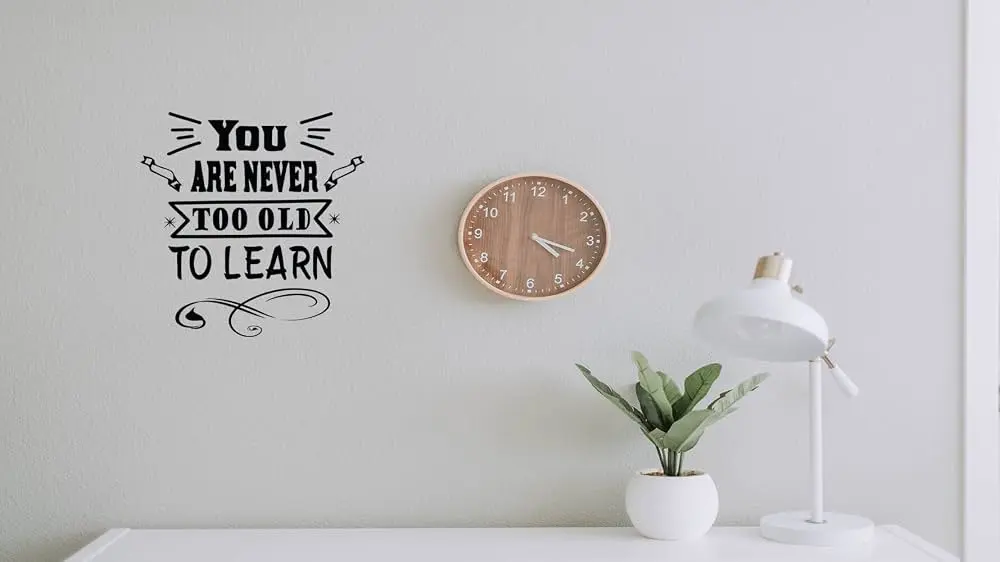
There’s a persistent myth in our culture that learning belongs to the young. Many people assume that once they reach a certain age, their capacity to absorb new information, develop fresh skills, or pursue untapped interests starts to fade. The truth, though, tells a very different story. Research and real-world experience consistently show that older adults are not only capable of learning new things but often genuinely thrive when given the opportunity to do so.
The Science Behind Lifelong Learning
The human brain is far more adaptable than scientists once believed. This phenomenon, known as neuroplasticity, means the brain can form new neural connections at virtually any age. Studies have found that engaging in mentally stimulating activities can help maintain cognitive function, sharpen memory, and even reduce the risk of age-related decline. Learning something new, whether it’s a language, a musical instrument, or an unfamiliar technology, actively strengthens those neural pathways and keeps the mind engaged in the best possible way.
Why Older Adults Are Uniquely Positioned to Learn
Older adults bring something to the learning process that younger people often simply don’t have yet: perspective and lived experience. Decades of problem-solving, navigating challenges, and building knowledge create an incredibly rich foundation on which new information can take root. Many seniors also find that they approach learning with greater patience and intention than they did in their younger years, no longer weighed down by career pressures or the demands of raising children. That depth of focus can make the entire learning experience more meaningful, and honestly, more effective.
Exploring New Hobbies and Creative Pursuits
One of the most enjoyable ways to embrace lifelong learning is through creative hobbies. Painting, pottery, photography, woodworking, and creative writing are just a few of the countless pursuits that offer both mental stimulation and genuine personal fulfillment. Picking up a new hobby introduces fresh challenges that call for problem-solving, coordination, and creativity all at once. Beyond the cognitive benefits, creative activities also bring a wonderful sense of accomplishment and open the door to connecting with others who share similar passions. Art classes, community workshops, and local clubs make it easier than ever to explore something completely new.
Technology, Travel, and Expanding Horizons
Technology is one area where many older adults feel hesitant, yet it’s also one of the most rewarding areas in which to grow. Learning to navigate smartphones, video calling platforms, or even social media can open up entirely new ways to stay connected with family, friends, and the broader world. Travel, whether local or international, is another powerful vehicle for learning. Experiencing different cultures, cuisines, and landscapes broadens the mind and challenges long-held assumptions in deeply enriching ways. For those pursuing curiosity and growth in a welcoming setting, Active Independent Senior Living in St. Augustine, FL offers an inspiring environment where exploration is genuinely encouraged and new experiences are always within reach.
The Social Benefits of Learning Together
Learning doesn’t have to be a solitary endeavor, and at its best, it rarely is. Group classes, community lectures, book clubs, and skill-sharing workshops create meaningful social connections that benefit mental and emotional health alike. Older adults who engage in communal learning often report a stronger sense of purpose and belonging than those who pursue interests on their own. Sharing the experience of tackling something new with peers naturally brings camaraderie, laughter, and mutual encouragement along for the ride. These social bonds aren’t just pleasant extras; they’re genuinely important contributors to overall wellbeing and longevity.
Overcoming the Fear of Starting Something New
Perhaps the biggest barrier to lifelong learning isn’t ability at all, but confidence. Many older adults hesitate to try something new out of fear of failure or embarrassment, which is completely understandable. It helps to remember that every expert was once a beginner, and that the goal of learning in later life is not perfection but growth and enjoyment. Starting small, finding a supportive community, and giving yourself permission to be a student again are all powerful steps in the right direction. Progress, however gradual, is still progress worth celebrating.
Embracing Every Chapter of Life
The willingness to keep learning is ultimately a reflection of staying engaged with life itself. It signals a belief that tomorrow holds something worth discovering and that personal growth simply doesn’t come with an expiration date. Whether someone is picking up a paintbrush for the first time, signing up for a cooking class, or working through a new language, each step forward is a testament to the enduring curiosity of the human spirit. It’s never too late to become someone who knows a little more, tries a little harder, and lives a little fuller.