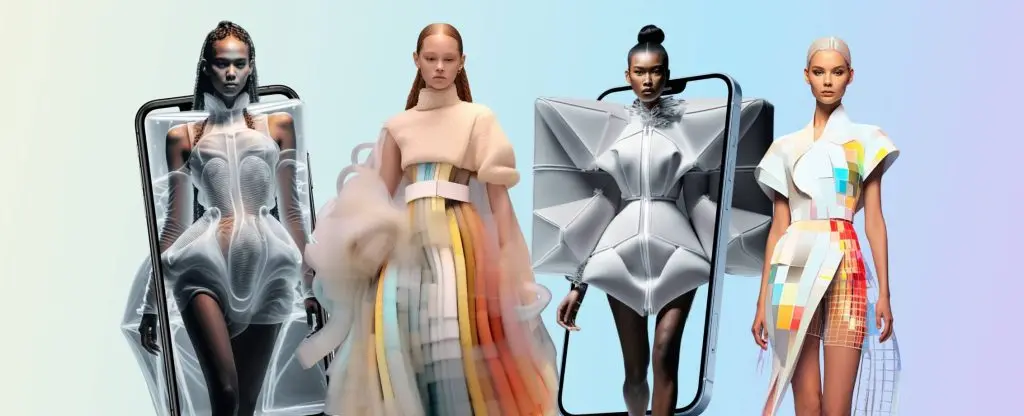
Artificial intelligence is no longer a concept reserved for tech labs and science fiction. It has quietly woven itself into nearly every industry, and fashion is no exception. From the runway to retail floors, AI is reshaping how designers think, create, and connect with consumers. The transformation is happening faster than many anticipated, and the results are genuinely striking.
AI as a Creative Collaborator
One of the most exciting developments in modern fashion is AI’s growing role as a creative partner. Designers are using AI tools to generate color palettes, pattern combinations, and silhouette variations that might never have surfaced from a purely human brainstorming session. These tools analyze vast amounts of visual data, drawing from decades of runway archives, street style photography, and consumer trend reports. The result is a creative process that feels both expansive and efficient, pushing designers to explore directions they might not have considered on their own.
Predicting Trends Before They Happen
Fashion has always been about anticipating what people want before they know they want it. AI has taken trend forecasting to an entirely new level by processing enormous datasets in real time. Platforms powered by machine learning can scan social media, e-commerce activity, and global search behavior to identify emerging patterns weeks or even months before they reach mainstream awareness. This gives brands a meaningful competitive edge, allowing them to design and stock inventory with far greater precision and far less guesswork.
Personalization at Scale
Consumers today expect clothing and accessories that feel tailored to their individual tastes, and AI is making that level of personalization possible at scale. Recommendation engines analyze a shopper’s browsing history, purchase behavior, and style preferences to surface products that genuinely resonate. Some brands are going even further, using AI to offer virtual styling consultations or generate custom design options for shoppers. In the jewelry world, this same spirit of personalization is thriving, as customers who want to craft signature engagement rings now turn to AI-assisted design platforms to bring their unique visions to life with greater ease and precision. The demand for meaningful, one-of-a-kind pieces mirrors a broader shift toward fashion that feels personal rather than mass-produced.
Sustainable Design Through Smarter Technology
Sustainability is one of the most pressing challenges facing the fashion industry today, and AI is proving to be a valuable ally in addressing it. By optimizing supply chains and reducing overproduction, AI helps brands minimize waste at virtually every stage of the design and manufacturing process. Smart algorithms can predict exactly how much fabric will be needed for a production run, cutting down on excess material that would otherwise end up in landfills. Some companies are also using AI to identify sustainable material alternatives and evaluate the environmental impact of design choices before a single item ever reaches production. The marriage of technology and sustainability is not just good ethics. It is increasingly good business.
Transforming the Design Workflow
Beyond creativity and consumer experience, AI is fundamentally changing how design teams operate day to day. Tasks that once required hours of manual work, such as pattern grading, sample iteration, and quality control, can now be handled with significantly more speed and accuracy using AI-powered software. Designers are freed from repetitive technical work and can redirect their energy toward the conceptual and artistic dimensions of their craft. Collaboration tools enhanced by AI also allow geographically dispersed teams to work together more seamlessly than ever before. The design workflow is becoming leaner, faster, and more innovative across the board.
Conclusion
AI is not replacing human creativity in fashion. It is amplifying it. By handling data-heavy tasks, surfacing unexpected insights, and enabling deeper personalization, artificial intelligence is giving designers more freedom to do what they do best: tell stories through clothing and style. The brands that embrace this technology thoughtfully will be well-positioned to lead the industry into a more innovative, responsive, and sustainable future. Fashion has always evolved with the times, and right now, the times are undeniably driven by AI.
Also Read
- Diuwin Game Updates: New Features Explained
- 5 Simple Tips to Extend the Life of Your Vehicle’s Exterior
- Van Wraps for Creative Ads That Drive Business Marketing Results