
Some industries cannot decarbonize simply by switching to renewable electricity or improving energy efficiency. For sectors such as cement, steel, chemicals, refining, and waste-to-energy, emissions are often built into the production process itself. These are known as hard-to-abate sectors, and they play a vital role in modern economies. The challenge is finding ways to reduce their climate impact without disrupting the materials, fuels, and products society still depends on.
This is where carbon capture is becoming an increasingly practical option.
It Targets Emissions at the Source
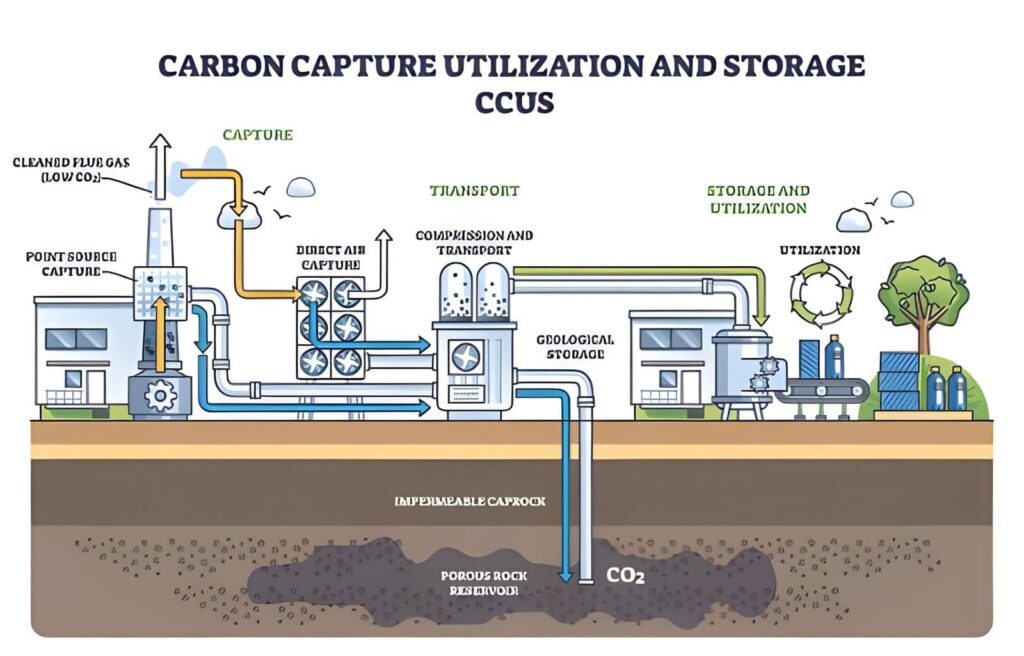
Carbon capture works by capturing carbon dioxide before it reaches the atmosphere. In industrial settings, this typically means installing technology at or near the point where emissions are produced, such as a kiln, furnace, boiler, or production unit.
For hard-to-abate sectors, this is especially valuable because many emissions are process-related. In cement production, for example, carbon dioxide is released not only from energy use but also from the chemical reaction involved in making clinker. Even if the plant uses cleaner power, a significant portion of emissions may remain. Carbon capture helps deal with these unavoidable emissions directly.
It Supports Existing Industrial Infrastructure
One reason carbon capture is practical is that it can often be integrated into existing industrial sites. Completely replacing major facilities can be expensive, slow, and disruptive. Many plants are built to operate for decades, and industries cannot simply shut them down overnight.
Carbon capture offers a way to reduce emissions while allowing essential operations to continue. This makes it a realistic bridge between current infrastructure and a lower-carbon industrial future. Companies exploring solutions from providers such as Carbon Clean are often looking for technologies that can fit into complex industrial environments without requiring a total redesign of their operations.
It Helps Maintain Competitiveness
Heavy industry is highly competitive, and businesses must balance decarbonization with cost, reliability, and production demands. If emissions reduction methods are too disruptive or expensive, adoption becomes harder.
Carbon capture can support a more manageable transition by helping companies meet climate targets while continuing to produce essential goods. It may also help businesses respond to customer expectations, investor pressure, and tightening environmental regulations. As more supply chains prioritize lower-carbon materials, carbon capture could become an important factor in maintaining market access.
It Can Work Alongside Other Solutions
Carbon capture is not a replacement for renewable energy, efficiency improvements, electrification, or alternative fuels. Instead, it works best as part of a broader decarbonization strategy.
For example, a steel plant might improve energy efficiency, use more recycled material, explore hydrogen, and capture remaining emissions. A cement plant might use alternative fuels, reduce clinker content, and capture process emissions. This layered approach is often the most practical route for sectors where no single solution can solve the entire emissions challenge.
A Practical Tool for a Difficult Problem
Hard-to-abate sectors face a unique decarbonization challenge. They need solutions that are technically reliable, commercially realistic, and compatible with industrial-scale operations. Carbon capture stands out because it addresses emissions that are difficult to eliminate through other means.
As climate goals become more urgent, carbon capture is likely to play a growing role in helping essential industries reduce their environmental impact while continuing to deliver the materials and products the world relies on.
Also Read-The best tech trends for small businesses in 2024