
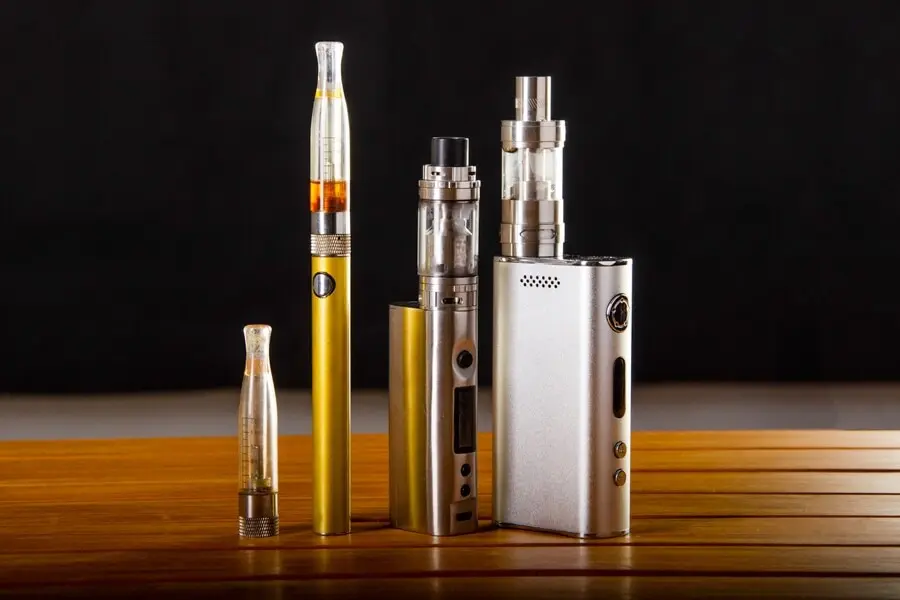
E-cigarettes and electronic smoking devices have become a significant part of the modern nicotine and alternative consumption landscape. While they may appear to be a relatively recent innovation, their origins stretch back several decades, with early concepts laying the groundwork for the sleek and technologically advanced devices available today. Understanding how these products were initially engineered, along with how they have evolved over time, offers valuable insight into both their design and their growing role in consumer markets.
Early Concepts and Initial Engineering Designs
The concept of electronic smoking devices dates back to the 1960s, when Herbert A. Gilbert patented a “smokeless non-tobacco cigarette.” His design aimed to replace traditional combustion with a heated, flavored vapor. While innovative, the technology of the time could not support large-scale production, and the idea remained largely theoretical.
Modern e-cigarettes began to take shape in the early 2000s, when Chinese pharmacist Hon Lik developed a commercially viable electronic cigarette. His design incorporated a battery-powered heating element, a liquid reservoir, and a mechanism that produced vapor instead of smoke. This breakthrough addressed many of the limitations of earlier concepts by creating a system that could effectively deliver nicotine without combustion.
The first generation of these devices, often referred to as cig-a-likes, were designed to resemble traditional cigarettes. They were simple in structure, consisting of a small battery and a pre-filled cartridge. While they introduced the core idea of vapor-based consumption, they offered limited customization and relatively short battery life.
Advancement in Technology and Device Customization
As consumer interest grew, manufacturers began investing in improved engineering and more robust designs. The second and third generations of e-cigarettes introduced larger batteries, refillable tanks, and variable voltage settings. These changes allowed users to customize their experience in terms of vapor production, flavor intensity, and nicotine delivery.
One of the most notable advancements was the development of sub-ohm vaping, which uses lower resistance coils to produce larger vapor clouds. This innovation required more powerful batteries and improved safety features, including regulated power output and short-circuit protection.
Customization became a defining characteristic of modern devices. Users could choose from a wide range of components, including coils, tanks, and e-liquid formulations. This shift transformed e-cigarettes from simple alternatives into versatile devices tailored to individual preferences.
Expansion Beyond Nicotine Products
As the technology matured, electronic smoking devices began to support a broader range of substances beyond nicotine-based e-liquids. This expansion opened the door for various markets, including herbal and cannabinoid-based products.
Devices were adapted to accommodate different viscosities and heating requirements, leading to innovations such as ceramic coils and temperature control systems. Retailers and manufacturers began to diversify their offerings, responding to growing consumer demand for alternative products.
For instance, some markets have seen a rise in interest surrounding options like popular wholesale THCA flower, which reflects how vaporization technology intersects with broader industry trends. While these alternatives differ in composition, the devices used often build upon the same foundational engineering principles established in early e-cigarette designs.
Safety Improvements and Regulatory Influence
With increased adoption came heightened scrutiny from regulators and public health organizations. Early devices lacked standardized safety measures, which sometimes led to issues such as battery malfunctions or inconsistent dosing. In response, manufacturers implemented enhanced safety features, including overcharge protection, temperature regulation, and improved battery chemistry.
Regulatory bodies also began establishing guidelines for manufacturing, labeling, and marketing e-cigarette products. These regulations aimed to ensure product consistency and reduce risks associated with improper usage or low-quality components.
Modern devices are now subject to more rigorous testing and quality control processes. This has led to improved reliability and greater consumer confidence. While regulations vary by region, the overall trend has been toward increased accountability and transparency within the industry.
Modern Design, Innovation, and User Experience
Today’s e-cigarettes are far more advanced than their early counterparts. Pod-based systems have become particularly popular due to their convenience, portability, and ease of use. These devices often feature pre-filled or refillable pods, streamlined designs, and draw-activated firing mechanisms.
In addition to hardware improvements, software integration has begun to play a role in device functionality. Some high-end models include digital displays, Bluetooth connectivity, and app-based controls that allow users to monitor usage and adjust settings with precision.
Design aesthetics have also evolved, with manufacturers emphasizing sleek, minimalist appearances and ergonomic construction. Materials such as stainless steel and durable polymers contribute to both longevity and user comfort.
The focus on user experience extends to flavor development as well. Advances in e-liquid formulation and vaporization efficiency have resulted in more consistent and satisfying flavor profiles, further enhancing the appeal of modern devices.
Conclusion
The journey of e-cigarettes and electronic smoking devices from early conceptual designs to sophisticated modern products highlights the power of innovation and adaptation. What began as an attempt to create a smokeless alternative has evolved into a diverse and technologically advanced industry. Through continuous improvements in engineering, safety, and customization, these devices have transformed the way people approach smoking alternatives. As technology continues to develop, it is likely that e-cigarettes will undergo further refinements, shaping their role in the marketplace for years to come.
Also Read
- The best tech trends for small businesses in 2024
- Unlocking Financial Clarity for Small Business Owners
- Yellow Jacket Spiritual Meaning [15 Sweet Meanings]