There’s a particular kind of dread that hits when you walk into your building and the air feels… off. Not quite hot yet, just stale and thick, like the whole place is holding its breath. If you’ve run a business for more than a few years, you know exactly what that means. Something’s wrong, and it’s probably going to cost you before the day is out.
I’ve talked to enough property managers and shop owners to know this isn’t just an inconvenience. A broken cooling system in a commercial space is a chain reaction — uncomfortable customers, cranky employees, and sometimes actual product loss if you’re running a restaurant or storage facility. So let’s talk about what actually goes into keeping these systems alive, because most people don’t think about their HVAC setup until it’s already failing.
Why Commercial Systems Break Down More Than You’d Expect
Here’s the thing nobody tells you when you sign the lease on a commercial building: the HVAC unit sitting on your roof is working way harder than the one at your house. It’s cycling almost constantly, especially in retail spaces or offices where doors open and close all day long. That constant strain wears things down faster than most owners realize.
Dust and debris clog filters quicker in commercial settings too — more foot traffic, more doors opening, more particles getting sucked into the system. Add in older buildings with outdated ductwork, and you’ve got a recipe for breakdowns that seem to come out of nowhere but were actually building up for months.
I remember talking to a restaurant owner in Phoenix who swore her unit “just died” one afternoon during lunch rush. Turned out the refrigerant had been low for weeks — the system was working overtime trying to compensate, and it finally gave up right when she needed it most. That’s usually how it goes. The warning signs are there; we just don’t always catch them in time.
Spotting Trouble Before It Becomes a Crisis
A few things tend to show up before a full breakdown. Strange noises — grinding, rattling, that odd clicking sound that wasn’t there last month. Uneven cooling, where one side of the building feels fine and the other feels like a sauna. Higher energy bills that creep up without explanation. None of these scream “emergency,” which is exactly why they get ignored.
Honestly, most business owners don’t have time to babysit their HVAC system, and that’s fair. You’ve got customers to serve, payroll to run, a hundred other fires to put out. But catching these small signals early is often the difference between a routine fix and a five-figure replacement.
When something does go sideways, commercial HVAC repair becomes less about convenience and more about damage control. Waiting even a day or two can turn a simple compressor issue into a full system failure, especially during peak summer months when units are already running at max capacity.
The Cooling Side of the Equation
Cooling problems deserve their own conversation, honestly, because they hit differently than heating issues do. Nobody’s canceling a summer sale because the heat’s off in July, but a broken cooling unit during a heatwave? That’s a whole different kind of panic. Customers leave. Employees complain. In some industries — think server rooms, pharmacies, food storage — it’s not just uncomfortable, it’s a genuine liability.
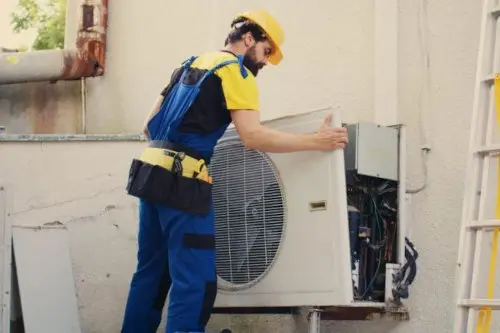
This is where a lot of owners realize they should’ve called someone sooner. A technician who specializes in commerical ac repair can usually spot patterns that a general handyman might miss — things like refrigerant leaks, failing capacitors, or condenser coils caked in grime that are quietly tanking your system’s efficiency. It’s not always dramatic. Sometimes it’s just years of small neglect finally catching up.
What Good Maintenance Actually Looks Like
I’ll be blunt: a lot of businesses treat HVAC maintenance like flossing. They know they should do it regularly, but it’s easy to skip until something hurts. The problem is, by the time you feel the pain, you’re usually already looking at a repair bill instead of a maintenance one.
Quarterly checkups make a real difference. Cleaning coils, checking refrigerant levels, inspecting belts and motors — none of it’s glamorous, but it adds years to a system’s life. Buildings that stick to a maintenance schedule tend to avoid the worst breakdowns, the ones that happen during a heatwave when every technician in town is already booked solid.
It also helps to actually know your system. Not every unit is the same age, and older equipment sometimes needs a different approach than something installed five years ago. A good technician will walk you through what your specific setup needs rather than applying a one-size-fits-all checklist.
Choosing Someone You Can Trust
Finding a reliable HVAC company feels a bit like finding a good mechanic — you want someone who explains things without talking down to you, shows up when they say they will, and doesn’t upsell you on parts you don’t need. Ask for references. Ask how they handle emergencies. A company that hesitates on that question probably isn’t the one you want showing up during a crisis.
At the end of the day, keeping your building comfortable isn’t just about avoiding complaints. It’s about protecting your business, your equipment, and honestly, your own sanity during the busy season.
FAQs
How often should a commercial building schedule HVAC maintenance?
Most experts recommend at least twice a year — once before summer and once before winter — though buildings with heavy usage may benefit from quarterly checkups.
What are the warning signs that my system needs professional attention?
Unusual noises, inconsistent temperatures between rooms, rising energy bills, and weak airflow are all early indicators worth investigating before they turn into bigger problems.
Is it more cost-effective to repair or replace an aging unit?
It depends on the age and condition of the system. Units under ten years old are often worth repairing, while older, frequently failing systems may save money in the long run through replacement.
Also Read
- The best tech trends for small businesses in 2024
- How Expert Psychologists in Penrith Provide Guidance for a Better Life
- Rapid Shutdown Solar Technology: How It Reduces Rooftop Fire Risk